Dropshipping Apparel: Generating Video From Supplier Photos
November 23, 2026
Outfit Video exists precisely to close it.
- Supplier photos can be transformed into platform-ready fashion videos without a studio, model, or production budget.
- AI video generation removes the dependence on exclusive photography that most dropshippers cannot afford.
- Consistent virtual model usage across your catalogue builds brand recognition even when your inventory changes frequently.
- Print on demand sellers face the same supplier photo constraints as dropshippers and benefit from the same AI video workflow.
- Batching video generation across your SKU catalogue dramatically reduces the per-unit cost of video content.
- Short-form video on TikTok, Reels, and Pinterest drives measurably higher conversion than static images for apparel.
The Supplier Photo Problem Every Dropshipper Knows
When you source apparel through a supplier or a print on demand platform, the product photography is rarely yours. It arrives as a flat lay, a ghost mannequin shot, or a generic model image that dozens of other stores are already using. Uploading those photos to your store is a baseline requirement. Using them as your only marketing asset is a competitive disadvantage.
Consumers on TikTok and Instagram are conditioned to swipe past static images in a feed environment built around motion. When a competitor in the same niche is running short-form video and you are not, the algorithm punishes your organic reach and your paid ad performance follows. The core problem for dropshipping apparel operators is that traditional video production requires either sample inventory, a hired model, or a production company. None of those options fit the asset-light model that makes dropshipping attractive in the first place.
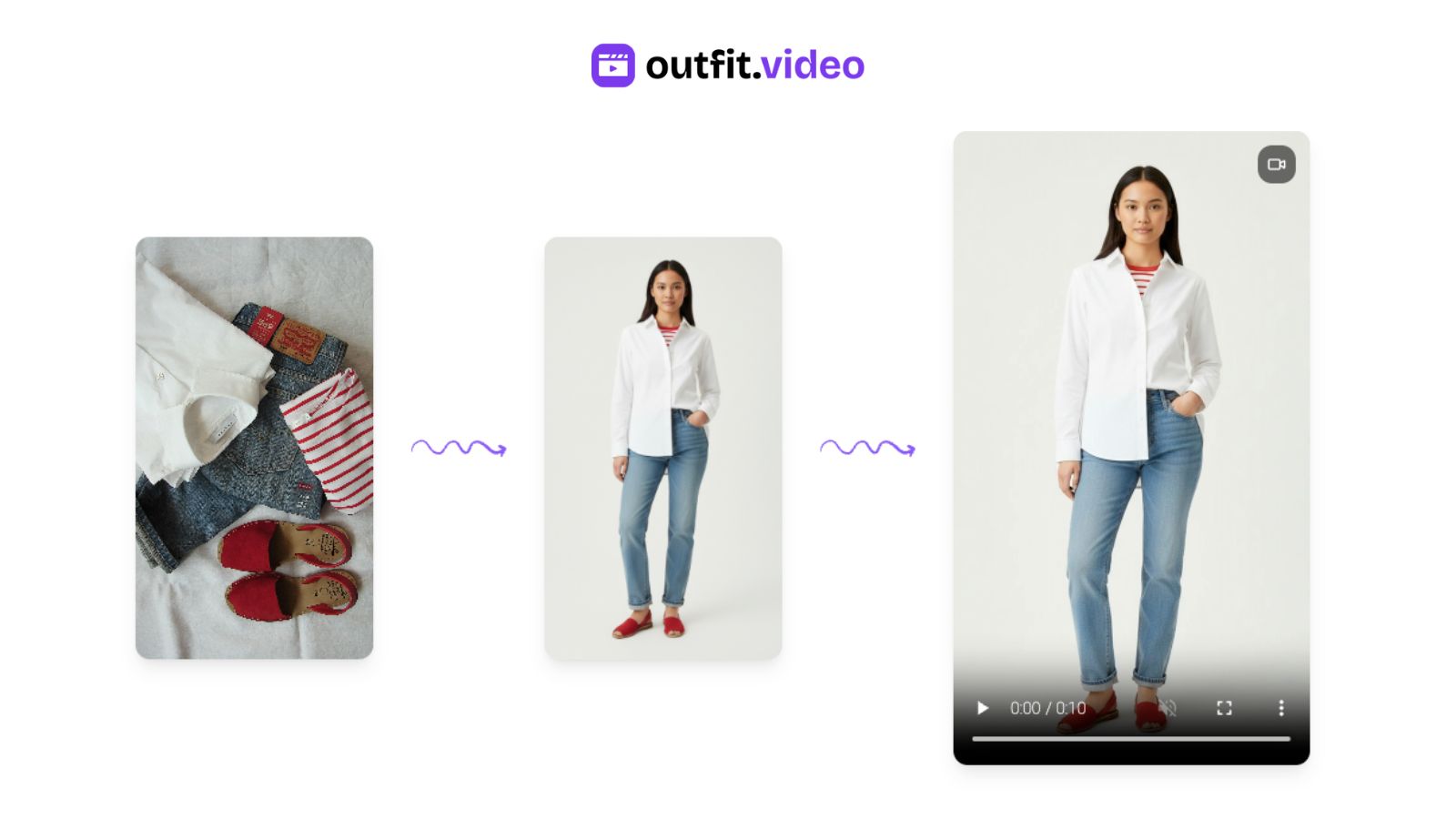
AI video generation changes that calculation. Rather than needing a physical garment on a physical person, you can feed a supplier photo into an AI pipeline and receive a short-form video suitable for Reels, TikTok Shorts, or Pinterest within minutes.
How AI Video Generation Works With Supplier Images
The core process is straightforward. You supply an image of the garment, provide a text prompt describing the motion and styling context you want, and the AI generates a clip showing the outfit in movement. No physical sample is required. No model needs to be booked. The output is a vertical video ready for the platforms your audience uses.
Input image quality matters more than most people expect. Supplier photos that show the full garment against a clean or neutral background produce cleaner results than heavily styled editorial shots with competing visual elements. If your supplier provides multiple angles, use the front-facing full-length image as your primary input. Detail shots can support secondary clips highlighting fabric texture or print quality.
For print on demand video specifically, mockup images are often the only asset available before an order is ever placed. AI video tools can work from those mockups to generate video that shows the design in a wearable, lifestyle-adjacent context. That is a significant upgrade over static mockup galleries, and the post Print-on-Demand Mockups vs AI Try-On Video: What Sells More examines that comparison in depth.
Building a Consistent Brand With Rotating Inventory
One of the structural challenges of dropshipping is that your product catalogue changes. Bestsellers get discontinued, new arrivals replace slow movers, and seasonal lines rotate in and out. Building brand recognition through visual content is harder when your inventory is not stable.
AI-generated video addresses this through virtual model consistency. Anchor your video output to a single virtual model identity and every clip you produce looks like it belongs to the same brand, regardless of which supplier the garment came from or when it was added to your store. The article on AI Face Consistency: Reusing One Virtual Model Across a Campaign details how to implement this across a catalogue.
This consistency also matters for retargeting. When a customer has seen several videos from your store that share the same visual language, the brand feels established rather than cobbled together. That perceived legitimacy influences purchase confidence in a category where trust barriers are already high.

Batch Generating Video for Your Full Catalogue
Dropshipping catalogues can be large. It is not unusual for a store to carry 200 to 500 active SKUs across categories. Producing individual video content for each product manually would be prohibitive. Batching solves this.
An efficient batch workflow looks like this:
- Export your product list with associated supplier image URLs.
- Write a prompt template that applies to your category, for example a consistent movement style and background treatment for all womenswear tops.
- Run the batch through the AI video tool, mapping each product image to its prompt variant.
- Review outputs and flag clips that need regeneration based on image quality or fit issues.
- Upload approved clips directly to your product pages and schedule them across social platforms.
The guide on Batch Generating Outfit Videos for a 500-SKU Catalogue covers the operational detail of this workflow, including how to structure your prompt templates for consistency at scale.
The economics here shift in your favour as volume increases. Cost per usable clip drops, and you accumulate a video library that compounds in value over time through organic search, social shares, and on-site conversion lift.
Prompt Writing for Supplier Photo Inputs
Supplier photos are not styled to your brand. The AI prompt is where you close that gap. A well-constructed prompt compensates for a generic input image by specifying the movement quality, the implied environment, the lighting mood, and the pace of the clip.
Take a basic woven shirt on a ghost mannequin. A prompt that specifies a natural outdoor environment, a slight breeze animating the fabric, and warm afternoon light will produce a substantially different and more compelling result than a default generation. The difference between a forgettable clip and one that stops a scroll is almost always in the specificity of the prompt, not the quality of the input image.
Structuring effective prompts is a skill worth developing early. The resource on Prompt Writing for AI Fashion Video: Structure and Examples provides a framework with worked examples across different garment types and platform contexts.
Keep a library of prompt templates that have produced strong results for each product category you carry. As your catalogue grows, this library becomes a reusable asset that accelerates production and maintains quality standards without requiring you to write prompts from scratch every time.
Publishing and Platform Strategy for Dropshipping Video
Video content generated from supplier photos needs to be distributed where it drives measurable outcomes. For dropshipping apparel, the highest-return platforms are typically TikTok, Instagram Reels, Pinterest, and YouTube Shorts, in that order depending on your audience demographics.
TikTok rewards novelty and native-feeling content. AI-generated videos that show clothing in movement without heavy production value often perform well precisely because they do not look like traditional advertising. Reels favour similar formats, with slightly longer average watch times acceptable. Pinterest is particularly strong for apparel because its user base arrives with purchase intent, and video pins drive significantly higher click-through rates than static images.
Beyond social, embed video directly on product pages. Browser autoplay on a looping silent clip increases time on page and reduces bounce rate for apparel listings. When a shopper can see how a fabric moves before purchasing, the perceived risk of buying from an unknown brand decreases.
Track watch-through rate across your clips from the first month. Clips that hold attention past the halfway point should inform how you structure future prompts. Clips that lose viewers in the first three seconds need a stronger hook: a tighter opening frame, a faster movement cue, or a more visually arresting first image.
FAQ
Can AI video tools work with low-resolution supplier photos?
Results improve significantly with higher-resolution inputs, but most AI video tools can process standard e-commerce product images. Aim for images at 1000px or wider on the longest edge. Heavily compressed or watermarked images will produce lower-quality outputs, so request unwatermarked files from your supplier where possible.
Do I need to hold inventory to generate product videos?
No. AI video generation works entirely from images, so you can produce video content for products you have never physically handled. This is one of the core advantages for dropshipping and print on demand operators who want video without committing to stock.
How do I maintain brand consistency when my suppliers change?
Consistency comes from your prompt templates, your chosen virtual model identity, and your colour and styling preferences, not from the supplier image itself. By keeping those elements fixed, you can onboard new supplier catalogues without disrupting your brand’s visual language.
What video length works best for dropshipping apparel on TikTok and Reels?
For cold audience acquisition, clips between 7 and 15 seconds with a strong opening frame tend to outperform longer formats. The goal at that stage is to stop the scroll and communicate the product clearly. Save longer storytelling formats for retargeting audiences who already know your brand.
Is it worth generating video for every SKU or only bestsellers?
Start with your top 20 to 30 percent of SKUs by revenue, then batch the remainder once your workflow is established. Many dropshippers find that video content surfaces previously slow-moving products by giving them a first appearance in social feeds where the static listing never reached.
Ready to turn your outfit photos into scroll-stopping videos? Try Outfit Video free and create your first AI fashion video in minutes.
Ready to turn your outfit photos into scroll-stopping videos? Try Outfit Video free and create your first AI fashion video in minutes.