AI Face Consistency: Reusing One Virtual Model Across a Campaign
November 21, 2026
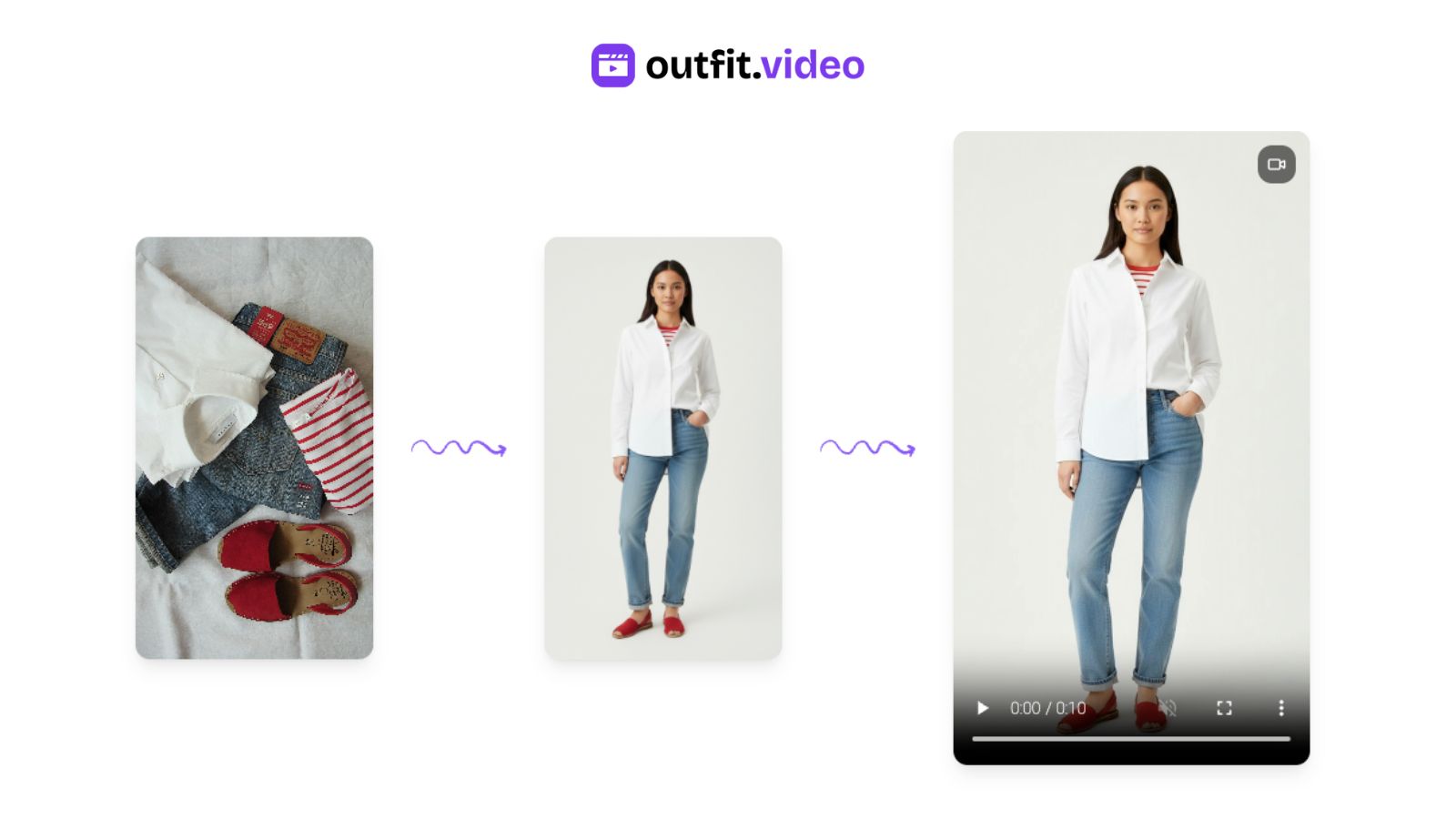
Fashion campaigns live and die on recognition. When a shopper sees your brand’s video on Tuesday and again on Friday, the same face, same posture, same presence should trigger an immediate memory of your label. With traditional model shoots, achieving that continuity across a full campaign means rebooking the same talent, coordinating schedules, matching lighting rigs, and hoping the photographer captures an identical mood. Outfit Video and other AI video tools are removing that logistical wall by making AI model consistency a controllable, repeatable variable rather than a costly aspiration.
- AI model consistency lets brands reuse a single virtual character across every touchpoint in a campaign without rebooking talent.
- Locking facial features, skin tone, body proportions, and styling details in a detailed prompt or seed image is the foundation of a consistent AI character.
- A documented virtual model campaign brief reduces generation drift and keeps outputs aligned as you scale to dozens or hundreds of clips.
- Consistency compounds: the more content a viewer sees featuring the same face, the stronger the brand association becomes.
- AI-generated consistency is not about cloning a real person; it is about creating a proprietary brand asset that belongs entirely to you.
Why Face Consistency Matters in Fashion Campaigns
Consumers process faces before they process clothing. Eye-tracking research on fashion e-commerce pages consistently shows that the model’s face receives the first fixation, even on a product image. That instinctive attention means the face is doing brand work before the product itself registers. When that face changes between your autumn lookbook, your TikTok ads, and your email header, you forfeit the accumulated recognition. Each new face resets the clock on familiarity.
Traditional campaigns solved this with a brand face: a contracted ambassador or a house model booked for a full season. The economics were manageable for large labels but prohibitive for independent brands and fast-moving e-commerce operations. A consistent AI character can be defined once and reproduced across unlimited assets at a fraction of the cost, with no scheduling dependencies and no licensing fees tied to the talent’s ongoing public profile.
The brand equity argument is straightforward. Repetition builds recognition. Recognition builds trust. Trust converts browsers into buyers.
Defining Your Virtual Model: The Character Brief
Consistency begins before a single frame is generated. It begins with a character brief: a document that specifies every attribute of your virtual model in enough detail that any team member or any generation run can reproduce the same result. Think of it as a casting brief for a talent who exists only in code.
Your character brief should cover the following attributes:
- Facial structure: face shape, jaw line, cheekbone prominence, eye shape and spacing, nose profile, lip fullness.
- Skin tone: use a specific descriptor such as a Fitzpatrick scale reference or a named shade rather than vague adjectives.
- Hair: length, texture, colour, and default styling. Decide whether the hair will vary by campaign or remain fixed.
- Body type and proportions: height impression, shoulder width, build. These affect how garments drape and read on camera.
- Age presentation: not a specific number, but a range that fits your target customer’s aspirational self-image.
- Default expression: neutral, warm, confident, editorial. Consistency in expression carries as much recognition weight as facial features.
Once documented, this brief becomes an input alongside your prompt or seed image for every generation. For guidance on structuring generation prompts to encode these details accurately, the post on prompt writing for AI fashion video covers the mechanics in depth.
Technical Methods for Maintaining AI Model Consistency
Knowing what you want and reliably reproducing it are two different challenges. Several technical approaches help close the gap.
Seed images and reference photos are the most direct method. Generate an approved reference image of your virtual model and feed it into every subsequent generation as a visual anchor. The closer the reference, the smaller the drift. Text descriptions alone leave too much room for interpretation.
Prompt locking means maintaining an identical, version-controlled character description string that is pasted verbatim into every generation run. Any change, however small, should be treated as a versioned update and tested before it enters production. If your team is generating content across multiple sessions or multiple operators, a shared prompt library prevents accidental variation.
Negative prompts can suppress common drift patterns. If your model tends to produce slightly different eye colours or varying skin tones across runs, explicitly excluding unwanted variations in the negative prompt provides a corrective constraint.
Post-generation review gates are equally important. Build a checklist into your approval process that compares each new clip against the approved reference image on the specific attributes listed in your character brief. This is not a creative opinion check; it is a technical consistency audit. Aligning this gate with a broader content approval workflow will reduce the back-and-forth that slows campaign launches, and the post on fashion video approval workflows outlines how to structure that process efficiently.

Scaling Consistency Across a Full Campaign
A single consistent clip is a proof of concept. A campaign requires that consistency to hold across product categories, creative formats, and platform aspect ratios simultaneously. The challenge scales with volume.
The practical solution is batch generation with a fixed character input. Rather than treating each clip as a standalone project, define the character once and run all garment variations through the same generation pipeline in a single session or coordinated series of sessions. The post on batch generating outfit videos for large catalogues addresses the operational workflow for exactly this kind of high-volume consistency requirement.
When adapting a virtual model campaign for different markets, consistency takes on an additional layer of complexity. A character brief written for a Western European market may need adjustment in skin tone, styling, or expression norms for Gulf or South Asian audiences, without losing the core identity of the character. Plan for that balance explicitly in your brief rather than improvising at the adaptation stage.
Across platforms, your character should read as the same person even when the aspect ratio changes from a 9:16 TikTok vertical to a 1:1 Pinterest square. Framing and crop will shift, but the face, the texture of the skin, the expression: these should be stable anchors that carry recognition regardless of the container.
Brand Ownership and the Proprietary Model Advantage
One of the most commercially significant aspects of a consistent AI character is ownership. A human brand ambassador brings their own public identity, their controversies, their contract terms, and their eventual departure. An AI-generated model is a brand asset in the same category as a logo or a typeface. It does not leave. It does not age out of your target demographic unless you choose to evolve it. It requires no renewed exclusivity negotiations.
This ownership dynamic shifts the economics of brand identity investment. The cost of defining and generating your virtual model is a one-time creative expense. Every subsequent campaign that reuses that character compounds the return on that initial investment, since each additional exposure increases the recognition value already built into the face.
From a brand management perspective, this argues for treating your virtual model brief with the same rigour as your visual identity guidelines. If you have documented standards for colour, typography, and tone of voice, the character brief belongs in that same document. The post on building a brand style guide for AI-generated video output provides a framework for integrating these elements into a single cohesive reference.
Common Pitfalls and How to Avoid Them
Even well-planned campaigns encounter consistency failures. These are the patterns that appear most frequently and the corrections that resolve them.
- Prompt drift over time: team members paraphrase rather than copy the locked prompt, introducing gradual variation. Fix this with a single version-controlled prompt source that is copied, never retyped.
- Lighting inconsistency masking facial features: dramatic lighting changes can make the same face look like a different person. Establish a default lighting descriptor in your brief and vary it only within defined parameters.
- Garment-driven distortion: very structured garments or unusual silhouettes can distort the perceived body proportions of your model, breaking visual continuity. Review garment-heavy outputs against the character brief specifically for proportion consistency.
- Platform reframing removing the face: auto-cropping tools on some platforms can exclude the face entirely in certain formats. Build safe zones into your generation brief so the face lands consistently within the frame regardless of crop.
- Over-correction from feedback: when a reviewer flags a variation, teams sometimes adjust the prompt too aggressively, creating a new inconsistency in the opposite direction. Treat prompt adjustments as small, tested iterations rather than wholesale rewrites.
FAQ
What does AI model consistency mean in a fashion campaign context?
AI model consistency refers to the practice of generating a virtual model with stable, repeatable visual attributes, including facial features, skin tone, body proportions, and expression, across every video or image asset in a campaign. The goal is for a viewer to recognise the same character across all touchpoints, building brand familiarity in the same way a contracted human model would.
How do I prevent my AI character from drifting across multiple generation runs?
The most reliable method is combining a version-controlled prompt string with a seed or reference image. The reference image gives the generation tool a visual anchor rather than relying solely on text interpretation. Applying a post-generation checklist that compares each output against specific character brief attributes before it enters the approval pipeline catches drift before it reaches production.
Can I use the same virtual model for different product categories within one campaign?
Yes, and this is one of the strongest use cases for a consistent AI character. The same model brief can be run against dresses, outerwear, accessories, and footwear within a single campaign, maintaining the unifying face while the product changes. This creates a visual coherence across categories that is difficult and expensive to achieve with traditional shoots requiring multiple wardrobe changes and lighting setups per session.
Is there a legal or ethical issue with creating a fictional AI model for brand use?
Using an AI-generated virtual model that is not based on a real person’s likeness is generally straightforward from a rights perspective, since the brand owns the generated output. The important distinction is that the character should be an original creation, not a close approximation of a real, identifiable individual. Some markets are developing specific regulations around AI-generated personas in advertising, so reviewing local disclosure requirements and labelling guidelines as this area evolves is worth doing before launch.
How does a virtual model campaign perform compared to campaigns using real models?
Performance depends on execution quality rather than the nature of the model. Well-generated AI fashion video with a consistent, compelling character performs comparably to human-model content on engagement metrics including watch time, saves, and click-through rates, particularly on short-form platforms where the visual hook matters more than the identity of the model. The larger advantage is economic: a virtual model campaign can be produced at a fraction of the cost and time, allowing more frequent creative refreshes and broader product coverage.
Ready to turn your outfit photos into scroll-stopping videos? Try Outfit Video free and create your first AI fashion video in minutes.
Ready to turn your outfit photos into scroll-stopping videos? Try Outfit Video free and create your first AI fashion video in minutes.