How to Create a Fashion Brand Mood Board Video
August 11, 2026
fashion brand mood board video is one of the most underused tools in a brand’s content arsenal. While static mood boards have long been a staple of creative direction, translating that visual language into motion unlocks something static images simply cannot: the feeling of a brand in real time. Whether you are launching a new collection, onboarding a wholesale partner, or building trust with first-time buyers, a well-constructed mood board video communicates identity faster and more viscerally than any written brief ever could.
- A fashion mood board video translates static brand references into a sequenced, motion-based visual story that communicates brand identity at a glance.
- Effective mood board videos are built around a clear creative direction: colour palette, texture, typography, and movement style must all reinforce the same emotional tone.
- AI tools like Outfit Video allow brands to transform existing outfit photos and flat lays into polished mood board videos without a production team.
- Vertical formats (9:16) are the default for TikTok, Reels, and Pinterest, making mobile-first composition essential from the start.
- Publishing a mood board video at key brand moments — launches, seasonal pivots, campaign kicks — drives both audience alignment and algorithm visibility.
What Is a Fashion Mood Board Video and Why Does It Matter
A brand mood board is a curated collection of images, colours, textures, and references that define a brand’s aesthetic direction. In its traditional form, it lives in a PDF deck or a pinned Notion page. A fashion mood board video takes exactly the same content and adds sequencing, pacing, typography, and audio — turning a passive reference document into an active brand statement.
For fashion brands specifically, the format carries significant commercial weight. Buyers process moving visuals faster than static ones, and emotional resonance — the core goal of any mood board — is amplified by music and motion. A mood board video posted to Instagram Reels or Pinterest Video Pins functions simultaneously as brand positioning content and top-of-funnel discovery content. It earns saves, shares, and profile visits in a way that a static carousel rarely replicates.
The format is also increasingly used internally: creative teams share mood board videos with photographers, stylists, and partners to align everyone on a shoot’s direction before a single light is set up.
Define Your Creative Direction Before You Touch Any Tool
The most common mistake brands make when building a visual branding video is starting with the software rather than the strategy. Before you arrange a single frame, you need clear answers to the following:
- Colour palette: What are your two to four primary brand colours? These should anchor every clip and transition.
- Texture and material language: Is your brand linen and raw edges, or satin and structured tailoring? The visual weight of your footage must match.
- Pacing: Fast cuts signal energy and trend-led identity. Slow, lingering shots communicate luxury and restraint. Choose before you edit.
- Typography: If you include title cards or overlays, the font must be drawn from your existing brand system — never chosen for aesthetics alone.
- Audio: Music is not decoration. The tempo, genre, and instrumentation communicate as much as the visuals. Select your audio track before you begin sequencing footage.
Document these decisions in a single brief. Every creative choice made during production should be tested against it.
Source and Organise Your Visual Assets
A mood board video draws from several asset types, and the strongest examples layer them deliberately:
- Product and outfit photography: Hero images of your garments styled in context. These are the anchor assets — everything else supports them.
- Flat lay shots: Detail-focused, overhead imagery that highlights fabric, texture, and composition. AI animation tools can add subtle motion to flat lays, making them far more engaging in a video context. See how this works in practice in How to Add Motion to Flat Lay Photos With AI.
- Lifestyle and context imagery: Shots of environments, surfaces, and settings that reinforce your brand world without showing product directly.
- Typography and graphic elements: Season names, collection titles, or brand codes rendered in your typeface and placed as transitional cards.
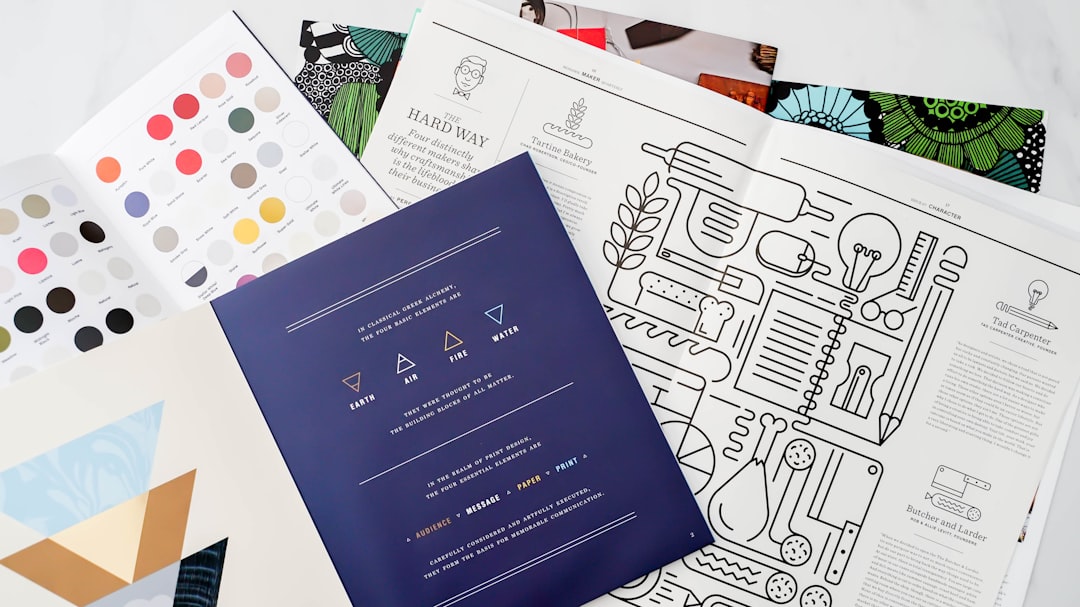
Organise assets by colour family and visual weight before you begin building the sequence. A mood board video that jumps between warm ochres and cool greys without intention reads as unpolished, regardless of individual image quality.
Build the Video Sequence: Pacing, Transitions, and Structure
A well-structured fashion mood board video typically runs between 15 and 60 seconds — long enough to build atmosphere, short enough to hold attention on every major platform. Structure it in three phases:
- Opening (0–5 seconds): A strong single image or tight detail shot that immediately establishes tone. This is the moment that earns the watch.
- Body (5–45 seconds): The sequenced layering of product, lifestyle, and typographic elements. Vary shot scale — wide, medium, close — to maintain visual rhythm.
- Close (final 5 seconds): A brand mark, a collection name, or a clean black or white card. Leave the viewer with a clear brand memory.
Transitions should be invisible or intentional — never decorative for their own sake. Cut on the beat of your audio track. If you are using AI tools to generate motion from stills, ensure the movement direction (pan, zoom, drift) follows a consistent logic: all pans moving left-to-right across a sequence, for example, creates subconscious momentum.
For platform-specific technical requirements, review the Vertical Video Specs for Every Social Platform in 2026 to ensure your export settings are correct for TikTok, Reels, Shorts, and Pinterest from the outset.
Use AI to Produce Mood Board Videos at Scale
Producing a mood board video traditionally required a motion designer, a licensed music track, and several hours of editing. AI fashion video generators have compressed that process significantly. Tools like Outfit Video allow brands to upload outfit photos and flat lays and receive short-form video output with motion, sequencing, and format optimisation built in.
For brands managing multiple collections, seasonal campaigns, or wholesale relationships simultaneously, this changes the economics of the format entirely. A mood board video that previously required a freelance commission can now be produced in-house in minutes, iterated rapidly, and tailored to different platform specs without re-editing from scratch.
If you are evaluating AI video tools for the first time, AI Fashion Video Generator: What Actually Works in 2026 provides a practical breakdown of what current technology can and cannot do.
When distributing your mood board videos, do not overlook Pinterest. The platform’s audience actively searches for brand aesthetic content, and video pins consistently outperform static images for profile traffic. See the specific tactics in Pinterest Video Pins for Fashion: What Works in 2026.
When and Where to Publish Your Mood Board Video
Timing and placement are as important as production quality. Mood board videos perform best at the following moments:
- Collection launches: Publish 48–72 hours before the full campaign to build anticipation without revealing product in full.
- Seasonal brand pivots: When you are introducing a new aesthetic direction, a mood board video signals the shift more clearly than any caption.
- Wholesale and press outreach: Embed mood board videos in pitch decks and lookbook emails — they communicate brand identity to buyers who receive dozens of brand submissions weekly.
- Always-on brand content: One mood board video per month, separate from product content, maintains brand positioning without competing with sales-led posts.
Across all platforms, caption strategy matters. A mood board video without a clear text hook loses reach. Review Fashion Video Captions and Subtitles: Best Practices for guidance on writing captions that complement rather than compete with your visual content.
FAQ
How long should a fashion brand mood board video be?
Between 15 and 60 seconds is the effective range for most platforms. For TikTok and Instagram Reels, 15–30 seconds is the optimal length for completion rates. Pinterest supports slightly longer formats, but 45 seconds remains the practical ceiling for mood-based content where there is no narrative arc to sustain attention.
What is the difference between a mood board video and a lookbook video?
A lookbook video is product-forward: it showcases specific garments styled into outfits, usually with the intent to convert browsers into buyers. A mood board video is identity-forward: it communicates brand aesthetic, tone, and emotional world without necessarily featuring shoppable product. Both formats are valuable, but they serve different stages of the customer journey.
Can I create a mood board video without video footage?
Yes. AI tools including Outfit Video can generate motion-based video output from still photography — outfit shots, flat lays, and product images. This means a brand with no video assets can produce a fully formed mood board video using only existing photography, making the format accessible at every budget level.
Which platform is best for distributing a fashion mood board video?
Instagram Reels and Pinterest Video Pins are the strongest platforms for mood board video content in 2026. Reels delivers reach through the Explore feed, while Pinterest attracts high-intent users actively building their own aesthetic references and collections. TikTok can work well if the brand’s tone matches the platform’s content culture, but mood board videos tend to under-perform on TikTok relative to trend-led or educational content.
How often should a fashion brand publish mood board videos?
One to two mood board videos per month is a sustainable cadence for most brands. Publishing one at the start of each collection cycle and one mid-season to reinforce brand identity keeps the aesthetic consistent without saturating your audience with non-product content. Quality and creative consistency matter more than frequency for this format.
Ready to turn your outfit photos into scroll-stopping videos? Try Outfit Video free and create your first AI fashion video in minutes.
Ready to turn your outfit photos into scroll-stopping videos? Try Outfit Video free and create your first AI fashion video in minutes.