Fashion Haul Video Strategy for Small Brands
June 20, 2026
Fashion haul videos generate some of the highest engagement rates in the entire fashion content ecosystem — yet most small brands treat them as an afterthought rather than a deliberate acquisition channel. A well-executed fashion haul video does more than showcase products; it compresses the discovery-to-purchase journey into a single piece of content that works across TikTok, Instagram Reels, YouTube Shorts, and Pinterest simultaneously. The brands scaling fastest right now are not the ones with the biggest production budgets. They are the ones with the sharpest haul video strategy.
- Fashion haul videos are a high-intent content format that compresses discovery and purchase decisions into one short-form asset.
- Small brands can compete with larger players by focusing on authentic storytelling, consistent publishing cadence, and smart repurposing across platforms.
- Structuring each haul video around a clear theme — seasonal, price point, aesthetic — dramatically improves watch time and conversion rate.
- AI video tools allow small teams to produce haul-style content from outfit photos alone, removing the need for expensive on-set production.
- Tracking the right KPIs — saves, link clicks, and attributed revenue — separates haul content that entertains from haul content that sells.
Why Haul Videos Work Especially Well for Small Brands
Large fashion retailers have the catalogue depth to run editorial shoots every week. Small brands have something more valuable: a distinct point of view and a tighter product edit. A small brand haul video that features eight to twelve curated pieces from a coherent collection signals taste and intentionality in a way that a mass-market megahaul never can. Viewers who resonate with your aesthetic are not just watching — they are self-selecting as your ideal customer.
The format also rewards authenticity. When a founder or a small team presents a haul, the lack of glossy production is not a weakness; it is a trust signal. Audiences on TikTok and Reels have become highly attuned to the difference between performative polish and genuine enthusiasm. Small brands start with an inherent advantage in that register, and a deliberate haul video strategy lets them exploit it consistently.
There is a practical advantage too. Haul videos have a longer shelf life than trend-chasing content. A well-shot capsule haul built around a specific aesthetic — quiet luxury workwear, coastal grandmother, oversized streetwear — continues attracting search traffic and saves on Pinterest and YouTube for months after publication.
Structuring Your Haul Video for Maximum Retention
Retention is the metric that platform algorithms reward above all others. A video that people watch to completion — or replay — gets distributed to cold audiences. Structure your fashion haul video to earn that completion rate.
- Open with a promise, not a preamble. State within the first two seconds what the haul contains and why it is worth watching. “Five pieces under $80 that actually photograph well” is a hook. “Hey guys, so I got a delivery today” is not.
- Order pieces by emotional escalation. Start with an accessible, recognisable item to build trust, then move toward statement pieces that generate desire. End on your strongest hero product.
- Give each item a moment, not a monologue. For short-form platforms, aim for 8 to 15 seconds per piece. Show the flat lay, then the worn look, then one specific detail that justifies the purchase.
- Use text overlays to anchor key information. Price, size worn, colourway name — these details appear in comments when you omit them, which means viewers are pausing to ask rather than clicking to buy. For best practices on text and subtitles in fashion video, see Fashion Video Captions and Subtitles: Best Practices.
- Close with a direct call to action. “All pieces linked in bio” is the floor. “The rust linen set is already low stock — link in bio” creates urgency.
Building a Repeatable Haul Content System
Consistency matters more than individual video quality for small brands building an audience from scratch. A haul video strategy only compounds in value if you publish regularly enough for the algorithm — and your audience — to rely on you.
The most sustainable approach is to batch-produce content around your buying cycle. When new stock arrives, shoot all haul content in a single session rather than producing one video at a time. This means one lighting setup, one backdrop, one outfit for the presenter — and five to eight clips you can edit and schedule across several weeks.
Theming each haul also makes production decisions faster. Instead of asking “what should go in this video,” you answer a more constrained question: “which of these new pieces fit the summer-to-autumn transition haul?” Themes worth building into your content calendar include seasonal wardrobe transitions, price-point hauls (under $50, under $100), aesthetic categories (minimalist, maximalist, business casual), and occasion-specific edits (holiday party, work-from-home, weekend errands). A structured fashion content calendar makes it far easier to map haul themes across a full month without running out of ideas.
Repurposing is where small teams reclaim time. A single haul session can produce: one long-form YouTube video, three to four short-form clips for TikTok and Reels, individual product clips for Pinterest Video Pins, and still frames for email and product page thumbnails.
Producing Haul Videos Without a Production Budget
The most common objection from small brands is resource constraints — no videographer, no studio, no on-camera talent. AI video generation tools have made this objection largely obsolete. Outfit Video transforms static outfit photos into short-form fashion videos with motion, transitions, and platform-ready formatting, which means a small brand can produce polished haul-style content from the same product photography it already commissions for its e-commerce site.
This approach works particularly well for brands that sell online but do not have a physical showroom or in-house model budget. Product photos become haul clips. Flat lay images become animated pieces with the kind of motion that stops mid-scroll. For a closer look at that technique, How to Add Motion to Flat Lay Photos With AI covers the workflow in detail.
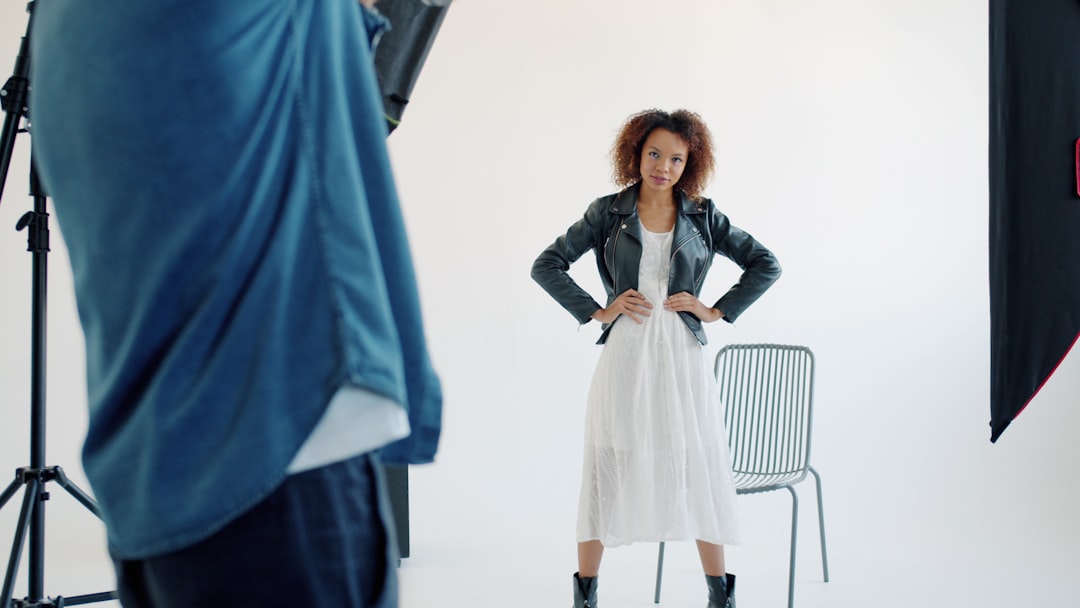
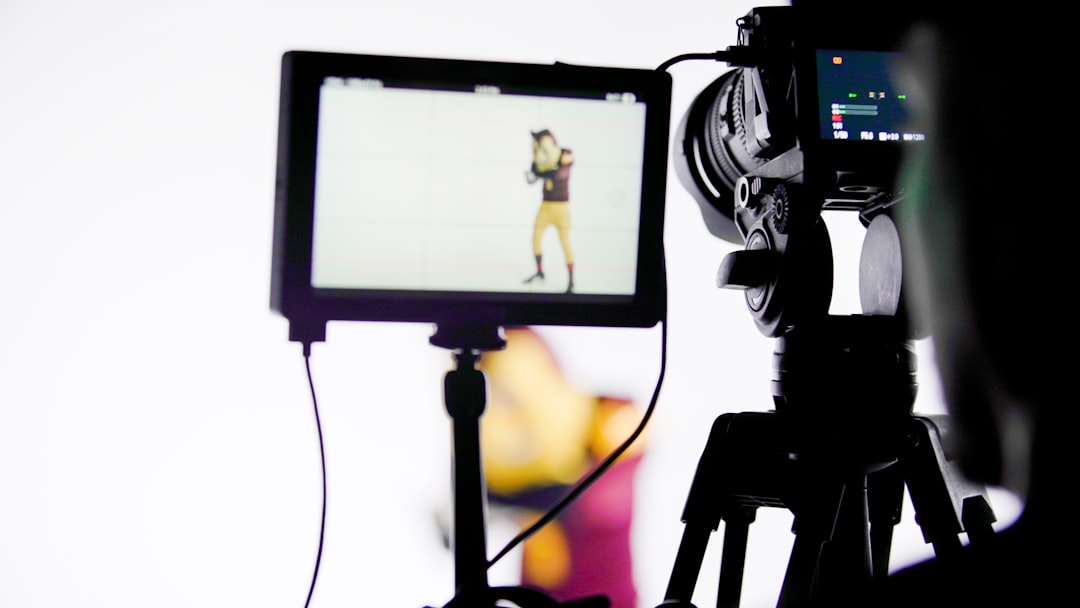
When you do have access to a presenter — a founder, a team member, a micro-influencer partner — keep production simple. Natural light from a window, a clean or brand-consistent background, and a phone mounted on a tripod are sufficient. The priority is audio quality and confident delivery, not cinematic production value.
Scripting matters more than most small brands realise. A loose framework — hook, item introduction, key detail, styling suggestion, price — keeps each segment tight and prevents the rambling that kills retention. For a structured approach to scripting short-form fashion content, How to Write Fashion Video Scripts That Stop the Scroll provides a repeatable template.
Distributing Haul Content Across Platforms Strategically
The same haul content should not be published identically across every platform. Each channel has a distinct audience behaviour and algorithm preference that rewards platform-native formatting.
TikTok rewards fast edits, direct-address presenting, trending audio, and text overlays that front-load information. Haul videos perform best when they feel conversational and slightly unpolished. The comment section becomes a sales floor — engage with product questions promptly because each reply extends your content’s reach.
Instagram Reels skews toward slightly higher production quality than TikTok, and the audience responds well to aesthetic coherence. The same haul can be re-edited with a cleaner cut and more deliberate visual pacing for Reels without reshooting anything.
YouTube Shorts is an underutilised channel for small fashion brands. Shorts feed into YouTube search, which means a haul video titled precisely — “Minimalist Summer Haul Under $100 2026” — continues generating views from search long after TikTok’s algorithm has cycled past it.
Pinterest is the highest-intent platform for fashion haul content because its users are actively planning purchases rather than passively consuming. A haul video reformatted as a series of Pinterest Video Pins, each focused on a single item with a direct product link, can drive meaningful revenue over a long tail of months.
Measuring What Your Haul Content Actually Achieves
Views are a vanity metric for small brands with revenue targets. The KPIs that matter for small brand haul content are saves and favourites (which signal purchase intent and extend algorithmic reach), profile visits and link clicks (which indicate traffic generation), and attributed revenue from link-in-bio tools or UTM-tracked URLs.
Watch time percentage is the most actionable production metric. If your average haul video loses 60 percent of viewers before the halfway point, the structure or opening hook needs revision, not the product selection. If saves are high but link clicks are low, the friction is in the path to purchase rather than in the content itself — an argument for integrating shoppable video functionality. Shoppable Video for Fashion: From Content to Checkout covers how to reduce that gap between content engagement and conversion.
Review performance by haul theme rather than individual video. Themes that consistently outperform on saves and link clicks should become recurring series. Themes that generate views but no downstream action should be deprioritised or restructured with stronger calls to action and clearer product framing.
FAQ
How long should a fashion haul video be for TikTok and Reels?
For TikTok and Instagram Reels, aim for 45 to 90 seconds for a haul featuring five to eight items. This length is long enough to cover each piece meaningfully and short enough to sustain retention. If your haul features more than ten items, consider splitting it into a two-part series rather than extending a single video beyond 90 seconds, as watch-time completion rates drop sharply beyond that threshold on both platforms.
Do small brands need a presenter on camera for haul videos?
No. Many high-performing haul videos use flat lay photography, outfit mannequin shots, or AI-generated video motion rather than a live presenter. What matters is clear product presentation, readable text overlays with key details, and a coherent visual style. A presenter adds personality and trust, but the format works without one, particularly for brands whose strength is visual identity rather than personality-led content.
How often should a small brand publish haul video content?
A minimum of two haul videos per month is enough to maintain algorithmic momentum and give your audience a reliable content expectation. Four per month — roughly weekly — is the cadence at which most small brands see compounding follower growth. Publishing more frequently than that only makes sense if you can maintain production quality and genuine product variety; low-quality or repetitive haul content signals low inventory and undermines brand perception.
What is the best way to drive sales directly from a haul video?
The most effective conversion path combines a strong in-video call to action (mentioning the specific product by name and referencing the link), a link-in-bio tool that replicates the haul format with individual product tiles, and UTM tracking on each product link so you can attribute revenue accurately. Shoppable video integrations — where viewers can tap directly on a product within the video — reduce friction further and are particularly effective on platforms that support them, including TikTok Shop and certain Instagram placements.
Can AI tools produce fashion haul video content from product photos?
Yes. Tools like Outfit Video can take existing product photography — whether flat lay, ghost mannequin, or lifestyle shots — and generate short-form video clips with motion, transitions, and platform-native formatting. This makes it possible for a small brand with no video production infrastructure to produce a full haul video from a single product photography session, significantly reducing the time and cost barrier to consistent video publishing.
Ready to turn your outfit photos into scroll-stopping videos? Try Outfit Video free and create your first AI fashion video in minutes.
Ready to turn your outfit photos into scroll-stopping videos? Try Outfit Video free and create your first AI fashion video in minutes.