How to Create a Fashion Brand Mood Board Video
June 28, 2026
A fashion brand mood board video does something a static collage cannot: it moves, breathes, and communicates your brand’s aesthetic in the few seconds you have before a viewer scrolls away. Whether you are launching a new collection, pitching to stockists, or building brand recognition on TikTok and Reels, translating your visual identity into a short-form video is one of the highest-leverage moves a fashion brand can make right now. This guide walks you through exactly how to build a compelling brand mood board video from concept to final export — and how AI tools are making the process faster than ever.
- A fashion mood board video combines curated imagery, colour palettes, typography, and motion to communicate brand identity in under 60 seconds.
- Defining your brand’s core aesthetic before you open any editing tool is the single most important step in the process.
- Consistent colour grading, pacing, and typography are what separate a professional visual branding video from a random slideshow.
- AI video tools can animate still outfit photos and flat lays into cinematic clips, removing the need for expensive video shoots.
- Mood board videos perform strongly on Pinterest, Instagram Reels, and YouTube Shorts — each platform requires specific formatting.
- Repurposing a single mood board video across multiple platforms multiplies its value without multiplying your workload.
What Is a Fashion Brand Mood Board Video and Why Does It Matter
A fashion mood board video is a short, edited sequence of images, textures, colour swatches, typography, and outfit visuals assembled to convey a brand’s aesthetic direction. Unlike a product video that drives a direct click-to-purchase, a mood board video builds emotional resonance. It answers the question every potential customer and stockist is asking: What does this brand feel like?
The format has gained traction because short-form platforms reward visual storytelling over hard-sell content. A well-executed visual branding video stops the scroll, earns saves, and builds the kind of brand familiarity that eventually converts into purchases. Research consistently shows that video content generates significantly higher engagement than static images across every major social platform, making this format a foundational tool for any serious fashion brand.
Mood board videos are also versatile. They work as Instagram Reels openers, Pinterest pins, YouTube Shorts brand introductions, pitch decks for wholesale buyers, and website headers. One piece of content, multiple deployment contexts.
Define Your Brand Aesthetic Before You Touch Any Tool
The biggest mistake brands make is opening an editing app before they have answered four foundational questions:
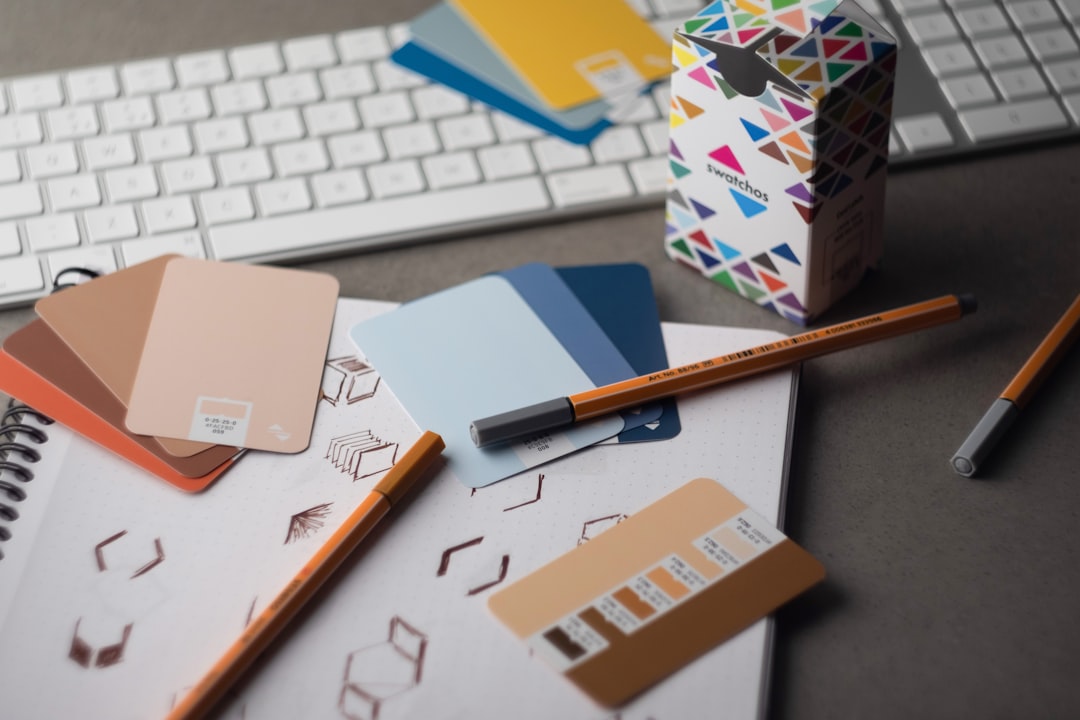
- What is your brand’s colour story? Select two to four hero colours that will anchor every frame.
- What is the mood or feeling? Words like “quiet luxury,” “downtown edge,” or “coastal ease” should guide every creative decision.
- Who is the target customer? The pacing, music, and imagery choices all differ between a Gen-Z streetwear audience and a 35-plus luxury buyer.
- What differentiates you visually? Identify the textures, silhouettes, or styling details that are distinctly yours.
Write these answers down. They become the filter through which you accept or reject every asset you include in the video. This is not a creative luxury — it is the structural work that makes the final video coherent rather than chaotic.
If you already use a seasonal fashion video strategy, your quarterly mood direction should map directly onto the aesthetic decisions you make here. Brands that plan their visual identity by season produce mood board videos that feel intentional rather than reactive.
Gather and Curate Your Visual Assets
Quality over quantity is the governing principle. Aim for 15 to 25 assets for a 30-to-60-second video. More than that and the edit becomes cluttered; fewer and you risk feeling thin. Your asset pool should include:
- Outfit flat lays or editorial-style product photos
- Texture close-ups — fabric weaves, hardware details, stitching
- Colour swatch or palette graphics
- Lifestyle imagery that reflects the brand world (interiors, landscapes, objects)
- Brand typography treated as a graphic element
- Any short video clips you already own
If your asset library is primarily still photography, AI tools can add motion to flat lays and product images, turning them into cinematic micro-clips. Adding motion to flat lay photos with AI is now a viable alternative to booking a video shoot, particularly for smaller brands managing tight production budgets. The resulting clips integrate seamlessly into a mood board video timeline.
During curation, apply your aesthetic filter ruthlessly. If an image does not match your colour story or mood direction, cut it regardless of how much you like it individually. Consistency is the goal.
Structure, Pacing, and Editing Principles
A fashion mood board video is not a slideshow set to music. It is an edited sequence with intention behind every transition and every cut. Follow these structural principles:
- Open strong: Your first two seconds determine whether a viewer stays. Lead with your most visually arresting asset — a saturated colour block, a dramatic texture, or a striking outfit shot.
- Build rhythm: Cut on the beat of your chosen music track. Sync transitions to drops, snare hits, or melodic shifts. This is what separates a professional edit from an amateur one.
- Vary your shot scale: Alternate between wide lifestyle shots and tight detail close-ups. The contrast creates visual momentum.
- Use consistent transitions: Choose one or two transition styles — a clean cut, a cross-dissolve, or a motion wipe — and apply them consistently. Mixing six different transition types reads as indecisive.
- End with your brand mark: The final frame should be your logo or brand name against a solid colour from your palette. This is the visual full stop that makes the video memorable.
For platform-specific formatting guidance, consult the vertical video specs for every social platform in 2026. A mood board video formatted at 9:16 for Reels will need to be re-exported at 1:1 or 2:3 for Pinterest pins, and the asset arrangement may need to be adjusted accordingly.
Target length is 15 to 45 seconds for TikTok and Reels, 30 to 60 seconds for YouTube Shorts and Pinterest. Anything longer requires a compelling narrative reason to hold attention.
Using AI to Create Mood Board Videos Faster
AI video generation tools have fundamentally changed the production economics of fashion content. What previously required a videographer, a studio day, and a post-production editor can now be achieved with a library of outfit photos and the right software.
Outfit Video transforms static outfit photos into short-form fashion videos, making it an ideal engine for mood board video creation. Upload your curated outfit images, select your preferred visual style, and the AI generates a motion video sequence ready for social publishing. For brands that produce frequent content — seasonal drops, weekly new arrivals, campaign launches — this workflow dramatically compresses the time between concept and published video.
The AI approach also enables rapid iteration. You can test a dark, moody aesthetic against a bright, airy one using the same asset set and see which resonates better with your audience before committing to a full creative direction. This kind of low-cost creative testing was previously impractical for all but the largest brands.
Pair AI video generation with a structured content plan. If you are building mood board videos into a regular publishing cadence, a fashion content calendar ensures your visual branding efforts stay consistent rather than sporadic.
Distributing and Repurposing Your Mood Board Video
A single well-produced brand mood board video can be deployed across multiple touchpoints without additional production effort. Consider the following distribution strategy:
- Instagram Reels: Post as a standalone brand aesthetic video. Use a caption that communicates your collection story rather than a product description.
- TikTok: Pair the video with a trending audio track and a text overlay naming your aesthetic direction — “quiet luxury autumn” or “coastal minimalism” as examples. This taps into platform-native discovery behaviour.
- Pinterest: Publish as a video pin with keyword-rich title and description. Pinterest’s search-led discovery makes mood board content particularly effective here, as users actively seek aesthetic inspiration.
- YouTube Shorts: Use as a brand channel introduction or collection teaser. Shorts with a strong aesthetic identity perform well as top-of-funnel brand awareness content.
- Website: Embed on your homepage or About page as a brand identity statement. Video on landing pages consistently outperforms static imagery for time-on-page metrics.
- Wholesale pitch decks: Export a higher-resolution version for use in buyer presentations or digital lookbooks.
Each platform has a different audience intent, but the same core video asset serves all of them. The only variable is the caption strategy and any platform-specific formatting adjustments.
FAQ
How long should a fashion brand mood board video be?
For most short-form platforms, 15 to 45 seconds is the optimal range. Instagram Reels and TikTok reward shorter, high-energy edits, while YouTube Shorts and Pinterest video pins can sustain up to 60 seconds if the pacing is tight. Longer formats only work if the narrative earns the additional runtime.
Do I need video footage to create a mood board video, or can I use photos?
You can build an entirely compelling fashion mood board video from still photography. AI tools like Outfit Video animate static images into motion sequences, and editorial-quality outfit photos combined with intentional editing are often more visually coherent than raw video footage shot without a clear brief.
What music should I use for a brand mood board video?
Choose music that matches your brand’s emotional register, not just what is trending. A quiet luxury brand using an aggressive trap beat creates cognitive dissonance for the viewer. Prioritise royalty-free tracks through licensed libraries — TunePocket, Artlist, and Epidemic Sound are reliable sources. Alternatively, use trending audio on TikTok or Reels when it genuinely complements your aesthetic, as platform-native audio boosts algorithmic distribution.
How often should a fashion brand publish mood board videos?
Align mood board videos with natural brand moments: seasonal collection launches, campaign drops, major product introductions, and brand anniversaries. One well-produced mood board video per season is a solid baseline. Brands running active short-form channels can supplement with monthly aesthetic recaps or weekly “brand world” content.
What is the difference between a mood board video and a lookbook video?
A lookbook video is product-led — it showcases specific outfits styled together to present a collection. A fashion mood board video is brand-led — it communicates aesthetic, atmosphere, and identity rather than specific sellable items. Both are valuable, but they serve different goals. Mood board videos build brand affinity; lookbook videos drive purchase consideration. Many brands use mood board videos at the top of a campaign and lookbook videos deeper in the funnel.
Ready to turn your outfit photos into scroll-stopping videos? Try Outfit Video free and create your first AI fashion video in minutes.
Ready to turn your outfit photos into scroll-stopping videos? Try Outfit Video free and create your first AI fashion video in minutes.