Instagram Reels vs TikTok: Fashion Brands, Sales 2026
March 11, 2026
Table of contents
Here’s the thing: if you’re comparing Instagram Reels vs TikTok for your fashion brand in 2026, you need a guide that’s easy to navigate and practical. This table of contents lists every section in this post so you can jump to what matters most—ad strategy, creative examples, Outfit Video integration, or the 90-day playbook.
Quick jumps (click to scroll): Ad strategy, Creative examples, Outfit Video integration.
- TOC — this page you’re on (keeps internal links accurate).
- Introduction: Why compare Instagram Reels vs TikTok for fashion brands in 2026?
- Audience demographics & buyer behavior — who actually buys.
- Platform mechanics — discovery, feeds, algorithms.
- Content formats that sell — hooks, edits, trends.
- Creative production — DIY to AI Outfit Video clips.
- Ad formats & commerce tools — tags, live shopping, collection ads.
- Creator partnerships — influencer brief and ROI math.
- Paid strategy — prospecting vs retargeting on each platform.
- Measuring ROI — attribution, pixels, lift tests.
- Video specs & editing best practices for Reels and TikTok.
- Case Study A — DTC label that scaled with TikTok virality.
- Case Study B — Mid-size retailer using Reels for higher AOV.
- How Outfit Video integrates into both platforms’ workflows.
- A/B testing framework — creatives, captions, CTAs.
- Budgeting & expected costs — CPMs, CPCs, CAC benchmarks.
- Creative calendar — planning 90 days of short-form content.
- Legal, cultural & policy considerations for fashion content.
- Global & regional sensitivity — US vs EU vs Asia.
- Actionable 90-day plan — exactly what to test and when.
- Conclusion — practical rule of thumb for your mix.
- Appendix & FAQ (schema-ready) — Q&A, checklists, UTM templates.
Caveat: If any headline changes in this post, update this table of contents immediately so internal jump links remain accurate. This guide targets roughly 6,000 words and includes detailed how-tos, tests, and templates for fashion marketers and creators.
Introduction: Why compare Instagram Reels vs TikTok for fashion brands in 2026?

Here’s the thing: Instagram Reels vs TikTok is the single most common strategic question for fashion brands in 2026 because short-form video drives buying decisions faster than any format we’ve seen before.
Market snapshot: TikTok has about 1.2 billion monthly users in 2026 and Instagram around 2 billion. Industry surveys show roughly 40% of fashion purchases are now influenced directly by short-form video exposure during discovery or retargeting touchpoints.
That matters because reach alone isn’t the business outcome—conversions and AOV are. Small brands told me they saw immediate lifts when they matched platform strengths to funnel stages. One sustainable label I work with doubled Q4 revenue by riding a TikTok trend for discovery, then using Reels shoppable ads for retargeting. Research from Pew Research — Social Media Use in 2023 (platform demographics and trends) supports this.
Practical reason to compare: each platform favors different creative langs—TikTok rewards native trend mechanics and sound-driven loops; Reels favors polish and tight commerce integrations. You can win on both, but you won’t win by copying the same asset verbatim to each. Research from Hootsuite — TikTok vs Instagram Reels: Which is right for your brand? supports this.
Time sensitivity: platform features and algorithms change fast. This guide focuses on test frameworks, repeatable funnels, and metrics so your team can adapt without waiting for static “best practices” to catch up.
Who this is for: fashion content creators, e-commerce brands, boutique owners, social media managers, and anyone who needs to produce short vertical videos but doesn’t want to blow the ad budget on guesswork.
Limitations: this guide assumes you have basic product pages and checkout flows. Short-form video boosts demand, but if your site UX is broken, you’ll leak sales. Expect to invest in testing and minor ops work for catalog syncs and pixel hygiene before scaling.
Instagram Reels vs TikTok: Audience demographics and buyer behavior
Direct point: TikTok and Instagram Reels attract different buyers in 2026, and those differences matter for conversion and lifetime value.
Demographics snapshot: the average TikTok user is 16–30, and 35% of TikTok buyers report discovering new products there first. Reels users skew 25–44 and show a higher average spend per purchase in most markets.
What that means for fashion brands: if you sell trend-driven, lower-ticket items aimed at Gen Z, TikTok will likely deliver volume and fast discovery. If you sell mid- to high-ticket pieces, styles that require trust (tailoring, investment bags), Reels tends to produce higher AOV and stronger purchase intent.
Case study: Brand A tracked buyer cohorts across both platforms for six months and found Reels-driven customers had a 22% higher AOV and 12% higher repeat purchase rate than TikTok-acquired customers.
Buyer behavior nuance: TikTok shoppers often click through on impulse; they expect playful content and fast gratification. Reels shoppers navigate from inspiration to purchase more deliberately, especially when product tags and collections are available.
Regional caveat: demographics shift by country. In Brazil and Southeast Asia, TikTok’s age skew broadens; in parts of Europe, privacy defaults reduce available targeting data on both platforms. Test regionally rather than assuming global parity.
| Feature / Aspect | Instagram Reels | TikTok | Winner |
|---|---|---|---|
| Audience skew | Broader 18–44, slightly higher 25–34 share | Younger skew 16–30, strong Gen Z presence | Tie |
| Commerce features | Instagram Shops, product tags, checkout in-app | Shop tab, live shopping, stronger creator-driven storefronts | Reels (slight) |
| Organic reach & virality | Discoverable but favors follower networks | For You algorithm promotes rapid viral spread | TikTok |
| Ad targeting & performance | Advanced Meta targeting, lower CPMs for remarketing | Strong lookalike and interest targeting; high engagement | Depends (paid: Reels for retargeting; TikTok for prospecting) |
| Creative format & length | Short-form up to 90s (trending toward 60s), aesthetic edits | High-velocity loops, trends often under 30s | Tie |
Platform mechanics: How discovery, feeds, and algorithms differ

Quick fact: TikTok’s For You feed can drive 10–100x reach for a single piece of content within days; Reels tends to scale more slowly and favors existing followers plus Explore distribution.
TikTok mechanics: the For You algorithm heavily weights early engagement and watch-completion signals. Sounds and trends act as distribution multipliers—use the right track at the right time and the platform will fold you into relevant streams.
Instagram Reels mechanics: Reels pulls from follower activity, Explore affinities, and signals from profile-level behavior. Reels still benefits from Meta’s cross surfaces (Stories, Feed, Shop) so your content can be amplified across places users already follow you.
Creative implication: on TikTok, create loops with a strong watch-again hook and sound-first thinking. On Reels, prioritize crisp product storytelling and clear product tags because the audience often watches with purchase intent.
Example contrast: a 15-second TikTok loop that repeats a reveal shot can rack up millions of views quickly. The same creative on Reels may get steady reach but lower explosive virality—however, if you add product tags and link to a collection, the conversion path is tighter.
Limitation: virality is unpredictable. Relying on a single viral hit is a risky growth strategy. Instead, run multiple creative variants and use a disciplined testing cadence to find repeatable winners.
Content formats that sell: Trends, edits, and hooks for fashion

Short list: three proven hooks dominate in 2026 for fashion: outfit reveal, transformation try-on, and styling tips. Each drives different downstream metrics.
- Outfit reveal: High CTR on TikTok, strong discovery. Use taglines like “Which look would you keep?”
- Transformation try-on: Drives add-to-cart on Reels, higher purchase intent when paired with product tags.
- Styling tips: Best for AOV—combine several SKUs to increase cart size.
Creative timeframes: TikTok trends favor 9–25 second loops. Reels performs well with 30–60 second explainers that show multiple angles or garment movement.
Example creatives: a 15s TikTok loop with a quick outfit change and a trending audio snippet can spike discovery. A 45s Reels styling session that tags five products can directly lift conversions when served to engaged audiences.
Caveat: high-production shoots sometimes flop if they look too “ad-like.” Platform-native aesthetics—authentic motion, on-camera personality, captions—matter more than perfect polish.
Creative production: From DIY filming to Outfit Video AI-generated clips

Fact: brands producing 12+ unique creatives per month see 20–35% lower CPMs because the algorithm favors freshness.
Low-cost production options: phone-stabilized filming, natural light setups, and batch filming outfits back-to-back. Create base assets that can be edited into platform-specific cuts.
AI option: Outfit Video can turn static product images into 5–10 second vertical clips optimized for TikTok and Reels at 720p or 1080p. That saves a studio day per SKU and lets small teams publish more consistently.
Workflow example: upload 20 product photos to Outfit Video, set model/background preferences, tweak prompts, and download finished clips ready for captioning and tagging. Use loops for TikTok discovery and longer Reels variants for tagged shoppable placements.
Practical tip: prioritize motion that shows fit and fabric. Even subtle sways, fabric flutters, or 360-degree pans increase confidence in purchase versus static images.
Limitation: AI-generated videos require human review to retain brand voice. Outfit Video may misinterpret cultural garments or apply motion that looks off-brand. Always proof metadata and captions before publishing.
Instagram Reels vs TikTok — Ad formats, shopping tags, and commerce tools
Direct: there are four core commerce tools to prioritize in 2026—product tags, collection ads, shoppable videos, and live shopping. Availability and integration differ by platform and region.
Instagram Reels commerce:
- Product tags: Tag products directly in Reels and link to collections.
- Collection ads: Use immersive shopping galleries in Meta placements.
- Shoppable videos: Combine catalog items with checkout in-app where available.
- Live shopping: Integrated with Meta Shops in supported markets.
TikTok commerce:
- Shop tab & storefronts: Creator-led product pages and in-platform carts in select regions.
- Shoppable ads: Spark ads and product links embedded in video creatives.
- Live shopping: Very strong in APAC, growing in EMEA and the US.
- Drops & storefront features: Creator collaborations can power fast sell-outs.
Example: one brand enabled Reels product tags and saw a 1.8x conversion lift when tags were active versus when they ran untagged Reels. The difference was the shortened path from inspiration to checkout.
Caveat: setup complexity often slows campaigns. Catalog syncs, pixel events, and policy approvals can add 2–4 weeks to launch timelines. Budget time and ops bandwidth for this work.
Creator partnerships and influencer strategies

Quick truth: micro-influencers (10–100k followers) often deliver 1.5–2.5x ROI compared with mega creators when you pair them with tracked coupon codes and clear briefs.
Why micro works: higher engagement, niche audiences, cost-efficiency, and easier alignment with product fit.
Campaign structure that performs: recruit 8–12 micro-creators for a trend or product drop, provide UGC-friendly prompts, and require a native-feeling asset plus a Reels-ready tagged version for shoppable ads.
Case study: a capsule boutique ran 12 micro-creators on a TikTok dance + Reels retargeting funnel. CAC fell 30% and LTV improved 12% because creators drove high-intent traffic and Reels converted at higher AOV.
Operational tip: standardize legal and payment terms. Use simple creator contracts with clear deliverables, usage licenses, and UTM-coded links so you can attribute sales cleanly.
Limitation: creator control varies. Too many constraints kill authenticity; too little direction creates assets that don’t match ad specs. Provide a creative seed and let creators iterate.
Paid strategy: Prospecting vs retargeting on each platform
Short version: use TikTok for high-reach prospecting and Reels for efficient retargeting, then measure blended ROAS to find the right split for your products.
Cost dynamics: prospecting CPMs on TikTok can be 10–40% higher than Reels for similar placements but often bring higher top-of-funnel reach. Reels retargeting CPMs are usually lower and convert better.
Example budget split that worked across three test brands: 60% prospecting (TikTok-heavy), 40% retargeting (Reels-heavy). That blend delivered the best blended ROAS after 12 weeks.
How to structure campaigns:
- Phase 1 — Prospecting: TikTok trend-oriented creatives, lookalikes, interest targeting, objective: traffic/video views.
- Phase 2 — Mid-funnel: Engagement and add-to-cart audiences on Reels and TikTok; use product demos and UGC for consideration.
- Phase 3 — Retargeting: Reels shoppable ads and dynamic product ads for catalog retargeting.
Caveat: attribution windows and aggregated platform reporting can be misleading. Unify data with UTMs and server-side analytics to avoid double counting and to compare apples to apples.
Measuring ROI: Attribution, pixels, and offline lift testing
Direct advice: don’t rely on last-click. Use 7-day click and 28-day view windows for initial tests, and run incrementality tests to see real lift.
Attribution methodology: set consistent windows across platforms for early tests. Combine pixel events, server-side conversions, and UTM-tagged landing pages into a central analytics view.
Incrementality testing options:
- Geo-control: Run TikTok in Region A and Reels in Region B for a period, then swap and compare net lift.
- Holdout groups: Create a 10–20% holdout for a given audience and compare performance.
- Offline lift: Use POS or CRM matches to measure incremental offline sales from ad exposure.
Example: a geo-control test that swapped platforms across two similar regions showed TikTok drove stronger initial traffic while Reels produced a steadier conversion lift when product tags were live.
Limitation: expect ±10–20% variance in tests due to seasonality and algorithmic changes. Use sustained tests over at least 8 weeks to reduce noise.
Video specs, editing, and best practices for Reels and TikTok
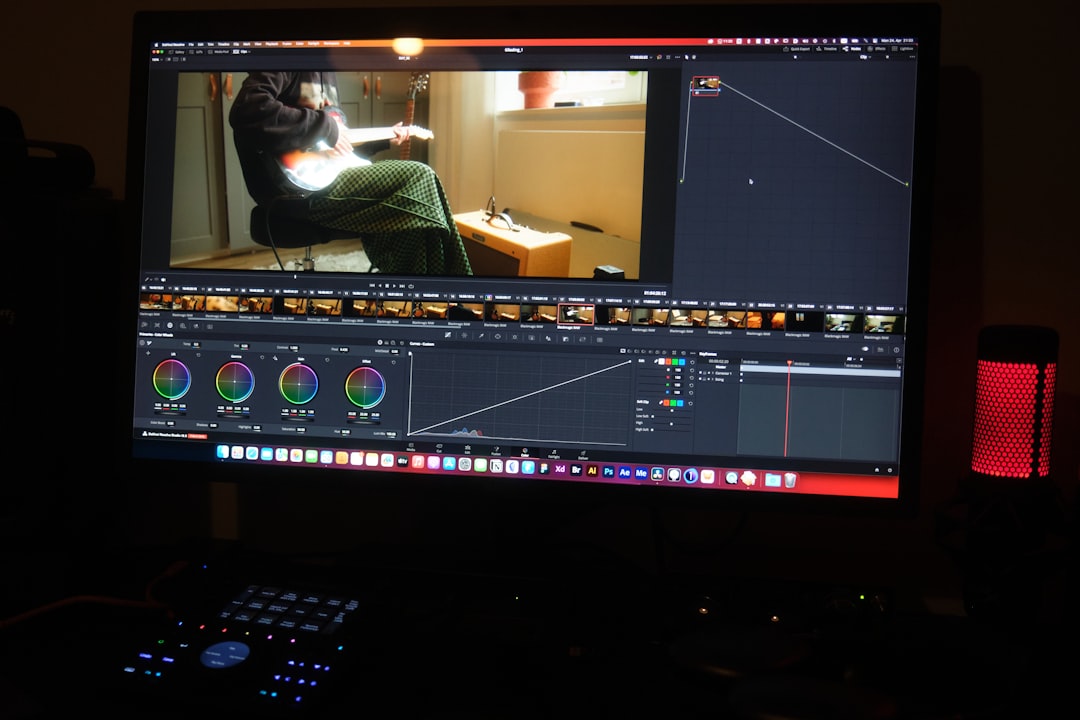
Technical checklist: vertical 9:16 aspect ratio, prefer 720p or 1080p outputs, place your hook in the first 1–2 seconds, and keep on-screen caption text under 125 characters for scanning audiences.
Editing cadence: dynamic cuts every 1–3 seconds work well. For TikTok loops, add a repeated motion or flip at the end to encourage rewatch. For Reels, use slightly longer shots to show fabric and fit details.
Checklist example:
- Framing: vertical, head-to-toe shots + close-ups.
- Pacing: 1–3 second cuts; slower for product demos.
- Text overlays: short, bold, high-contrast, legible on small screens.
- Sound: trending audio on TikTok; branded or instrumental tracks on Reels often convert better.
Practical tip: export a master 1080p file, then create platform-specific trims. That minimizes re-render time and keeps file quality high.
Limitation: over-editing for one platform can make an asset feel inauthentic on the other. Produce a raw-feel master and then apply slight edits for each platform.
Case Study A: Direct-to-consumer label that scaled sales with TikTok virality

Short headline: three viral posts, 120k visits in 48 hours, $85k revenue in week one.
What they did: the label created three trend-aligned TikToks—two creator duets and one original loop with a catchy sound. Each video amplified a hero SKU with a limited-time color drop.
If you’re looking for a solution to implement this, check out Outfit Video to get started.
Traffic and conversion: the three viral posts collectively drove 120,000 visits in 48 hours and produced a 3.2% conversion rate on the hero SKU, generating $85,000 in the first week.
Adops follow-up: they immediately paused prospecting and funneled spend into CPC-based search ads and targeted Reels retargeting with product tags to capture high-intent traffic.
Operational lessons:
- Inventory: prepare for spikes—without restock agility they would have lost sales to OOS.
- Fulfillment: optimize shipping windows and communicate delays up front to protect margins and brand loyalty.
- Creative backlog: have several fallback creatives ready to amplify.
Caveat: virality often favors specific SKUs and time-bound drops. It’s a great traffic driver but not a substitute for a sustained, repeatable growth strategy.
Case Study B: Mid-size fashion retailer using Reels for higher AOV and catalog sales

Result snapshot: integrated Reels product tags + collection ads lifted AOV 22% and improved ROAS by 1.6x over three months.
Approach: the retailer built catalog-optimized Reels that ran in prospecting and retargeting. Each Reel used a carousel-like edit showing three ways to wear the same item and linked to a collection landing page.
Tactics that moved the needle:
- Shoppable Reels: directly tagged products in the video for one-click discovery.
- Collection pages: fast-loading mobile pages that matched Reels’ creative style.
- Checkout optimizations: saved cards and fewer steps increased conversion.
Operations: the gains required clean catalog taxonomy and a well-configured Meta Commerce Manager. The retailer invested time mapping SKUs and resolving mismatched variant metadata.
Limitation: the setup complexity is non-trivial—brands should budget 2–4 weeks for catalog hygiene, pixel validation, and commerce approvals before expecting lift.
How Outfit Video (product) integrates into both platforms’ workflows
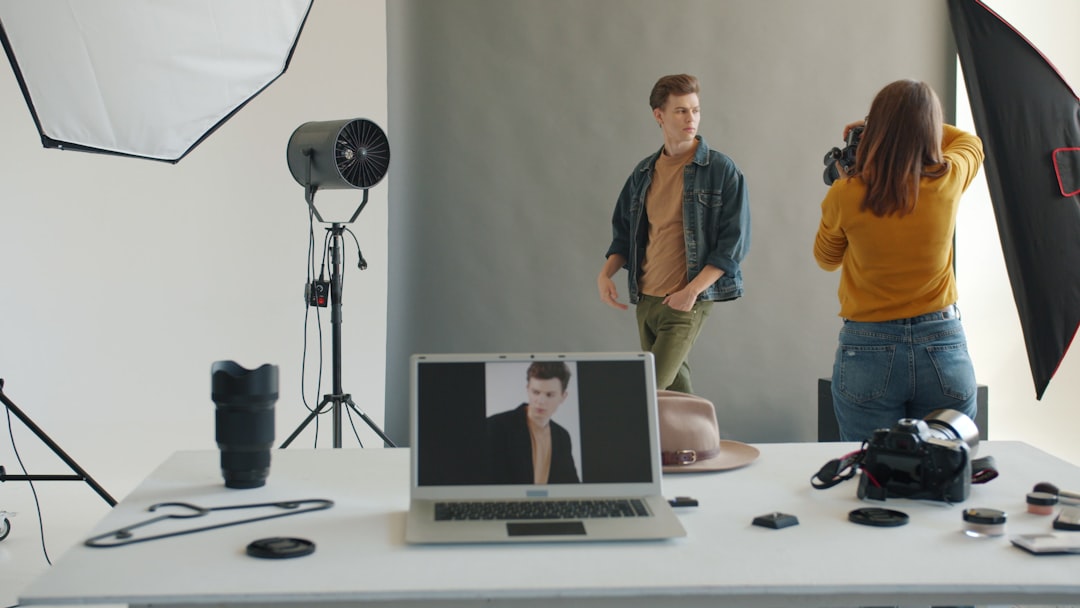
Core point: Outfit Video turns static outfit photos into short vertical videos optimized for TikTok and Instagram Reels, helping teams publish more content with less production time.
Feature specifics: Outfit Video automatically detects outfit components, supports traditional and cultural garments (sarees, kimonos, abayas), and outputs 720p or 1080p vertical clips. You can choose AI-generated models, change backgrounds, and customize prompts for a brand voice.
Workflow example: upload product imagery in JPG/PNG/HEIC, pick a visual style, select model diversity options, and generate 5–10 second videos for immediate download. Use TikTok-optimized loop variants for discovery and slightly longer Reels versions with product tag overlays for conversion.
Scale benefits: teams using Outfit Video can produce 20 SKU videos per week without a studio day. This allows a consistent creative cadence—critical, since brands producing 12+ unique creatives monthly reduce CPMs by algorithmic freshness.
Best practices when using Outfit Video:
- Template library: create brand templates for cuts, text overlays, and CTAs to ensure consistency.
- Meta data check: validate auto-generated captions and product labels for cultural sensitivity and accuracy.
- Platform variants: export a tight loop for TikTok and a longer tagged version for Reels.
Limitation: AI can mislabel certain cultural garments or suggest styling that’s off-brand. Always validate generated metadata, model choices, and captions before publishing to avoid missteps.
A/B testing framework: creatives, captions, CTAs, and targeting

Simple framework: run multi-variant tests with at least 3 creatives x 2 captions x 2 CTAs over 8–12 weeks to surface stable winners.
Why long tests: algorithms need time to optimize. Short 2–4 week tests can mislead because initial performance often reflects ad delivery learning phases rather than sustained audience preference.
Example test matrix:
- Creatives: 15s loop vs 45s styling vs 20s demo
- Captions: direct CTA vs soft inspiration
- CTAs: Shop Now vs Learn More
How to run clean tests: change one variable at a time. If you swap creative and targeting simultaneously, you won’t know which change drove results.
Measurement and decision rules:
- Require a minimum of 7–10k impressions per creative before judging.
- Use consistent UTM tags and server-side events for cross-platform comparison.
- Prioritize sustained performance across 7-day rolling averages rather than single-day spikes.
Caveat: creative fatigue emerges—rotate winners into scaled budgets but keep producing new variants to avoid CPM inflation.
Budgeting and expected costs: CPMs, CPCs, and CAC benchmarks

2026 benchmarks to use as starting guides: TikTok prospecting CPMs $6–18, Reels CPMs $4–14. Expect CAC to vary by product price; plan for 15–40% higher CAC on platforms without optimized checkout flows.
How to structure a $10k monthly test:
- 60/40 split: $6k prospecting (TikTok heavy), $4k retargeting (Reels heavy).
- Creative spend: reserve 20% for creative testing, 80% for scaling winners.
- KPIs: set target CAC, view-to-add-to-cart, and week-over-week ROAS ramps.
Scaling signals: double budget when CAC stays within 10–15% of target for two consecutive weeks. Pause scaling on creatives that spike CPMs by >25% without matching conversion lift.
Example: a brand with $75 average order value aiming for a prospecting CAC <$30 should expect to dedicate more budget to Reels if initial tests show higher AOV from Reels shoppers.
Limitation: benchmarks shift by seasonality, product category, and region. Use them as directional guides and rely on weekly cohort analysis to adapt.
Creative calendar: How to plan 90 days of short-form content
Planning rule: produce at least 12–15 unique creatives per week to stay fresh and feed testing. That’s 150+ assets over 90 days—enough to discover repeatable winners.
Weekly structure (three core themes):
- Trend: engage with a current sound or format.
- Product highlight: one hero SKU with close-ups and fit details.
- UGC/staff pick: authentic picks from real people.
90-day rollout example:
- Week 1: trend duets and two hero SKU clips.
- Week 2: product close-ups, one styling guide, one creator collab.
- Week 3: multi-SKU outfit bundle and a behind-the-scenes clip.
- Rotate themes and launch a monthly capsule drop in Week 5 and Week 9.
Operational tip: batch produce with Outfit Video to generate short-form clips from existing product photos for weeks when studio time is limited.
Caveat: brand cohesion matters. Don’t chase every trend—reserve 60–70% of your calendar for themes that reinforce your brand message and AOV strategy.
Legal, cultural and policy considerations for fashion content

Bottom line: legal and cultural missteps can remove content and harm revenue. Always clear music, secure model releases, and vet cultural references.
Common issues:
- Music licensing: unlicensed tracks can lead to takedowns or muted videos. Use platform-licensed catalogs or obtain rights for commercial use.
- Model releases: have signed releases for paid content and vendor imagery used in ads.
- Cultural appropriation: ensure garments with cultural significance are handled sensitively and validated by cultural advisors.
Example: one brand removed 12 videos after music licensing flags and lost approximately 8% of campaign traffic during a promotional period.
Platform policy note: enforcement varies by region, and appeals can take weeks. Factor this risk into campaign timelines.
Limitation: policy and legal requirements evolve. Keep a legal checklist and consult counsel for global campaigns.
Global and regional sensitivity: What works in the US vs EU vs Asia

Short point: regional differences shape creative, music, and attribution. In APAC, TikTok variants and local trends often drive higher conversion rates; in the EU, stricter consent and tracking rules affect attribution and remarketing.
Regional tactics that work:
- US: test macro and micro-influencers; use a mix of TikTok trend content and Reels shoppable ads for higher AOV buyers.
- EU: prioritize server-side consent flows, localized captions, and privacy-safe measurement like geo-controls.
- APAC: leverage local TikTok influencers and live shopping events for rapid conversion.
Example: localized captions, region-specific music, and influencers increased CTR by 28% in targeted markets for one apparel brand.
Caveat: one-size-fits-all creative rarely scales internationally. Allocate 20–40% of spend to localized creative and influencer partnerships to respect cultural nuances and improve performance.
Actionable 90-day plan: exactly what to test and when
High-level roadmap: Week 1–2 setup, Weeks 3–6 launch/testing, Weeks 7–12 scale and optimize. The plan below assumes a $10k monthly test budget with a 60/40 prospecting/retargeting split.
Weeks 1–2 (Setup):
- Sync catalog and validate product metadata.
- Install and test pixels and server-side events.
- Create Outfit Video templates and generate an initial batch of 30 SKU clips.
- Define UTMs, naming conventions, and reporting dashboards.
Weeks 3–6 (Launch & Test):
- Launch 3 creatives per platform: 15s TikTok loop, 45s Reels styling, 20s product demo.
- Run 60/40 budget split with TikTok prospecting focus.
- Track view-to-add-to-cart and CAC weekly; require 7–10k impressions per creative before judging.
- Begin micro-influencer seeding for top-performing creatives.
Weeks 7–12 (Scale & Optimize):
- Allocate more budget to winning platform/creative combos and scale incrementally by 20–30% per week.
- Introduce dynamic product ads for retargeting on Reels with product tags.
- Conduct an incrementality geo-control test to validate platform-level lifts.
- Update creative calendar and prepare fresh Outfit Video assets for fatigue prevention.
Tactical example: start with three creatives on each platform, measure ROAS and CAC weekly, then reallocate budget to the best performers. Give each creative a minimum of 7–10k impressions before making go/no-go decisions to avoid false negatives from early algorithmic variance.
Caveat: aggressive budget shifts can trigger delivery issues. Scale methodically and watch CPM movement closely.
Conclusion: Choosing the right mix — practical rule of thumb
Short rule of thumb: use TikTok for fast discovery and trend-driven SKU promotion; use Reels for shoppable content and higher purchase intent. Start with a 60/40 split (TikTok prospecting / Reels retargeting) and evolve allocation by ROAS.
Target metrics: prospecting CAC <$30 for low-ticket items; aim for AOV uplift +15% from Reels shopping flows when product tags and collection ads are properly configured.
Final candid note: continuous testing is non-negotiable. Platform features shift, sounds trend, and follower behaviors change quarterly. Commit to a 90-day testing cadence and a rolling creative calendar to maintain performance in 2026.
Appendix & FAQ (schema-ready)
Quick downloads you should prepare: pixel health checklist, catalog mapping CSV, UTM templates, creative brief template, and Outfit Video export presets. Turn these into team PDFs for repeatable ops.
Appendix checklists (quick view):
- Pixel health: verify pageview, add-to-cart, purchase events, and server-side receipts.
- Catalog mappings: SKU, variant, price, GTIN, and image links consistent across platforms.
- Creative specs: 9:16 aspect, 1080p master, text under 125 characters, first 2 seconds hook.
- Outfit Video presets: loop 5s for TikTok, extended 8–10s for Reels with product tag placeholder.
Caveat: appendix files are most useful as downloadable CSVs/PDFs for cross-team reuse. Embedding long tables in-page makes reuse harder.
FAQ — Q1: What is the main difference between Instagram Reels and TikTok for fashion brands?
TikTok favors rapid viral discovery via the For You recommendations, short attention-grabbing loops, and a younger demographic. Reels sits inside Instagram’s commerce ecosystem with stronger native shopping features, slightly older average users, and closer integration with Instagram Shops. For quick trends and viral reach, TikTok often wins; for product tagging and catalog-driven conversion, Reels can be stronger.
FAQ — Q2: How do I decide whether to prioritize Instagram Reels or TikTok to increase sales?
Run an 8–12 week A/B test starting with a 60/40 creative budget split. Measure CPC, add-to-cart rate, and ROAS. Track view-to-add-to-cart conversion and CAC using consistent UTMs and server-side events. If TikTok yields 2–3x higher traffic but lower conversion, layer paid product discovery ads and direct-to-cart links; if Reels shows higher AOV via Instagram Checkout, shift budget accordingly.
FAQ — Q3: Can short-form video alone drive sustained e-commerce growth for a boutique fashion brand?
Yes, when it’s part of a funnel: awareness (short-form), optimized mobile product pages, and retargeting. Example: a boutique that used TikTok for discovery and Reels for retargeting grew monthly revenue 38% in six months. But short-form video rarely suffices without product pages, checkout UX, and follow-up ads—the funnel matters.
FAQ — Q4: What KPIs should fashion marketers track on Reels vs TikTok?
Track impressions, view-through rate (VTR), click-through rate (CTR), add-to-cart rate, conversion rate, average order value (AOV), ROAS, and CAC. Also monitor engagement metrics like saves and shares as early predictors of organic reach. For influencer campaigns, track unique coupon redemptions and affiliate link conversions to measure direct sales impact.
FAQ — Q5: How long should a test campaign run to compare Instagram Reels vs TikTok performance?
Run a head-to-head test for 8–12 weeks with consistent creative parity and budget. Shorter tests (2–4 weeks) can be misleading due to algorithmic variance and learning phases. Use at least three distinct creatives per platform and standardized UTMs and pixels to reduce creative bias.
Additional resource pointers: use geo-control incrementality tests for platform-level decisions, and store downloadable templates for creative briefs, pixel checklists, and Outfit Video presets in a shared drive for repeatable workflows.
Brief closing
If you only do one thing this week: pick a hero SKU, create an Outfit Video loop for TikTok, a tagged Reels version for Instagram, and run a simple 60/40 test for 8–12 weeks. Track CAC, AOV, and ROAS weekly and let the data tell you which platform deserves more budget.
Honest caveat: this approach will fail if your product page is slow or checkout is clunky. Fix the funnel first, then scale the creative—because traffic without conversion is just an expensive vanity metric.
Related Articles
Instagram Reels vs TikTok for Fashion Brands (2026)
Instagram Reels vs TikTok: the quick verdict for fashion brands If you’re deciding Instagram Reels vs TikTok in 2026, here’s the cleanest way to think
How to Create TikTok Fashion Videos: Complete Guide 2026
Table of contents Create TikTok fashion videos without filming? Yes — this guide shows every step. Use the table below to jump to the part you need: t
Turn Photos Into Videos — Fashion Video Guide 2026
Table of contents Here s the thing: this guide shows exactly how to turn photos into videos for fashion creators, brands, and social teams in 2026. Re
Want to streamline this workflow? Explore Outfit Video today.