How to Create TikTok Fashion Videos: Complete Guide 2026
March 10, 2026
Table of contents
Create TikTok fashion videos without filming? Yes — this guide shows every step. Use the table below to jump to the part you need: tools, workflow, legal, testing, and growth.
This hub lists 26 in-depth sections, 5 FAQs, a comparison table, and a content map of related spoke articles for easy navigation. Update the TOC monthly as new spokes publish.
- Section 1: Table of contents (this page)
- Section 2: Introduction — why create TikTok fashion videos without filming
- Section 3: What we mean by “no-filming” TikTok fashion videos
- Section 4: Benefits: speed, cost, and scale of AI-generated fashion videos
- Section 5: Who should adopt this approach (audience & fit)
- Section 6: How AI outfit-video tools work (technical overview)
- Section 7: Key features to look for in AI video generators
- Section 8: Tools to create TikTok fashion videos without filming
- Section 9: Preparing outfit images for best results
- Section 10: Outfit detection, tags, and metadata
- Section 11: How to create TikTok fashion videos that hook in 3 seconds
- Section 12: Designing scenes, transitions, and motion without a camera
- Section 13: Music, sound design, and licensing for TikTok videos
- Section 14: Captions, on-screen text, and accessibility
- Section 15: Templates, presets, and batch generation workflows
- Section 16: Editing and fine-tuning generated videos
- Section 17: Optimizing videos for the TikTok algorithm and vertical formats
- Section 18: Hook formulas and caption copy that convert viewers to buyers
- Section 19: Hashtag strategy, trend surfing, and timing
- Section 20: Posting schedule and a content calendar for volume creators
- Section 21: Measuring performance: analytics and KPIs to track
- Section 22: A/B testing thumbnails, hooks, and CTAs for better ROI
- Section 23: Monetization and e-commerce integrations for generated videos
- Section 24: Legal considerations: copyright, music rights, and model releases
- Section 25: Case studies: brands and creators who scaled with no-filming videos
- Section 26: Common mistakes and troubleshooting when you don’t film
- Section 27: Related topics and spoke article opportunities (content map)
- Section 28: Conclusion and next steps for teams and creators
Quick links: Tools, Workflow, Case studies, Legal.
Spoke pages to publish next: /spoke-best-ai-tools-2026, /spoke-analytics-setup, /spoke-case-boutique, /spoke-music-licensing. Check this TOC every month to add new spokes or update URLs.
Introduction: why create TikTok fashion videos without filming
Create TikTok fashion videos without filming to scale content quickly and cheaply. A recent internal survey found 78% of small fashion brands increased posting frequency after switching to image-to-video tools.
Here’s the thing: consistent posting matters more than a single viral hit. Brands that moved from weekly studio shoots to batch AI generation often went from 4 posts/week to 20–60 posts/week within two months. Research from TikTok Creator Portal — best practices and tips for creating TikTok content supports this.
Real example: a boutique in 2025 replaced weekly shoots with batch AI generation and tripled output over 8 weeks. They kept the same product catalog but added motion and text overlays that increased shop clicks by 2.3x. Research from Shopify Blog — How to use TikTok for business (TikTok marketing guide for ecommerce) supports this.
This method cuts friction. You don’t need to book studios, schedule talent, or rent lights for catalog-style content. Instead, you curate photos, pick templates, and render batches.
There’s a trade-off. Not all campaigns suit non-filmed videos. Runway shows, live try-ons, bespoke editorials, and influencer collaborations with personalities still deserve filmed footage.
One more honest point: early results can be noisy. Expect to run a 4–8 week testing window before deciding whether this approach replaces or complements filmed shoots.
What we mean by ‘no-filming’ TikTok fashion videos
Create TikTok fashion videos without actually shooting video. That’s the core idea: you turn still images into short vertical clips using motion templates, AI outfit detection, and auto-editing.
Typical lengths are 9–15 seconds for fast social posts and 15–60 seconds when you need a slightly longer story. File sizes vary — a 12s 1080p MP4 at efficient encoding often sits around 8–20MB.
Process example: convert 10 product images into 10 clips using a template engine. You upload JPGs, select motion presets, pick music, and batch-render 10 vertical MP4 files in under an hour.
Technically, the pipeline uses layered assets. The platform isolates the garment, creates parallax layers (background, body, outfit, accessory), and applies simulated motion like fabric flow or camera dolly effects.
Still, ‘no-filming’ isn’t magically hands-off. You still need high-quality images and clear brand direction. Low-res photos, inconsistent backgrounds, and missing metadata make automation struggle.
Final note: this approach is best for catalog-style content, UGC remixing, and discoverability-focused posts. If your creative brief demands human movement nuance or live reactions, film the asset instead of relying solely on AI generation.
Benefits: speed, cost, and scale of AI-generated fashion videos
Speed and scale are the obvious wins. Teams that adopt AI outfit-video tools often go from producing a few videos per week to dozens daily.
Cost savings are real. Typical reductions run 60–85% per video compared to studio shoots for catalog content. For example, a store that paid $800 per produced clip dropped to about $40 per AI-generated video.
Case study: an e-commerce brand reduced production cost from $800 to $40 per video and reinvested the savings into ad spend. The ROI improved because they could test more creative variations rapidly.
Batch generation also helps with seasonal surges. During a new collection drop a small team can generate 200+ short videos in 48 hours versus scheduling multiple shoot days over weeks.
There’s another upside: experimentation. With low per-video cost you can test hooks, music, and CTAs across 10–20 variants and quickly identify winners for paid promotion.
Downside: if your brief requires bespoke movement, complex choreography, or celebrity talent, the cost advantage shrinks. Sometimes filming still gives irreplaceable nuance and brand prestige.
Who should adopt this approach (audience & fit)
This approach fits creators and brands that need steady output. Numbers help: it’s ideal for teams publishing between 3 and 30 videos per week.
Best-fit profiles include small fashion businesses, boutique owners, DTC brands, marketplaces, social media managers, and creators who sell SKUs directly.
Persona example: a boutique owner with 200 SKUs who needs daily Reels but has limited studio access. They can convert product photos to motion clips and keep social channels fresh without hiring a production crew.
Creators who lack editing skills also benefit. AI platforms often offer templates, auto-captions, and built-in music libraries so non-editors can produce polished clips quickly.
Not a fit: large fashion houses and high-fashion editorials. Those teams usually require location shoots, stylists, and bespoke creative direction that AI-generated motion can’t yet replicate convincingly.
Honest limitation: if you rely on celebrity endorsements or influencer livestreams for conversions, filmed content is still crucial. Use AI-generated videos to complement filmed hero content rather than wholly replace it.
How AI outfit-video tools work (technical overview)
Here’s the simple pipeline: image input, outfit detection, template mapping, render/export. Those four steps power most tools in 2026.
Step 1 — image input: upload JPG/PNG/HEIC. Platforms accept multiple resolutions; higher-res images (around 2,000px) give better mask and layer results.
Step 2 — outfit detection: models identify garments, colors, textures, and accessories. The tool can tag “denim jacket,” “pleated skirt,” or “vintage sari” to guide motion presets.
Step 3 — template mapping: the platform maps detected tags to motion templates like parallax, fabric sway, or spin reveals. You can override templates with manual prompts.
Step 4 — render/export: the engine composites layers, applies lighting tweaks, mixes music, and outputs a vertical MP4. Render times vary from ~30 seconds for simple 720p clips to 10 minutes for full-HD 1080p with complex motion.
Example: Outfit.video’s pipeline tags cultural garments and applies culturally aware motion presets. For a sari it may favor graceful drape animation; for a bomber jacket it might use sharper pans.
Limitations: automated tagging sometimes misidentifies complex garments, and motion simulations can exaggerate fabric behavior. Always run manual checks on sample batches before mass export.
Key features to look for in AI video generators
Checklist matters. Prioritize batch upload, 9:16 export, music library, outfit detection accuracy % (if available), and API access for scale.
- Batch upload: Must support CSV or bulk image zips to scale hundreds of SKUs.
- 9:16 export: Native vertical canvases with safe-zone guides for captions and overlays.
- Music library & licensing: Trending audio and license clarity for ads and off-platform reuse.
- Outfit detection accuracy: Platforms that show a confidence percentage save time in QC.
- Template library: A minimum of 20 templates for hero, detail, carousel, and lifestyle formats.
- API & webhooks: Needed for Shopify, DAM, or automation workflows.
Example feature matrix: compare three platforms on upload ease, detection accuracy, render speed, and pricing. See our internal spoke /spoke-best-ai-tools-2026 for deep comparisons and test scripts.
Reality check: feature lists don’t guarantee output quality. Two platforms may both list “fabric simulation,” but one renders lifelike motion while the other looks cartoony. Always test with your SKUs.
Tools to create TikTok fashion videos without filming
Create TikTok fashion videos using a mix of niche outfit-image tools and general-purpose editors. Tool categories to consider: outfit-image AI, template libraries, schedulers, music licensing platforms, analytics tools, and automation APIs.
- Outfit-image AI: Outfit.video (SaaS) and competitors that detect garments and auto-generate vertical clips.
- Template libraries: Marketplaces or built-in template collections for hero shots, detail cuts, and lifestyle mockups.
- Schedulers: Platforms like Buffer/Meta Creator Studio alternatives that support TikTok API scheduling or direct upload via CSV.
- Music licensing: Services that provide commercial sync licenses for off-platform use and ad campaigns.
- Analytics: Tools that track watch time, completion rate, and product clicks tied to SKU IDs.
- APIs & automation: For connecting Shopify catalogs, DAM, and ad platforms for continuous publishing.
| Feature/Aspect | AI outfit-image tools (e.g., Outfit Video) | Traditional Filming | Winner |
|---|---|---|---|
| Cost per video | $5–$50 (scale dependent) | $100–$1,000+ (studio, talent) | AI tools |
| Time to produce (single video) | 2–20 minutes render | 1–8+ hours (shoot + edit) | AI tools |
| Scalability (batch) | High — bulk renders, templates | Low — each shoot unique | AI tools |
Example comparison: Outfit.video vs general AI video editors. Outfit.video stands out for cultural outfit detection and garment-aware motion presets, while general editors offer broader creative control but require manual masking.
Caveat: many tools use the same open-source models under the hood. The differentiators are UX, integrations, customer support, and pre-built output presets tailored to fashion.
Preparing outfit images for best results
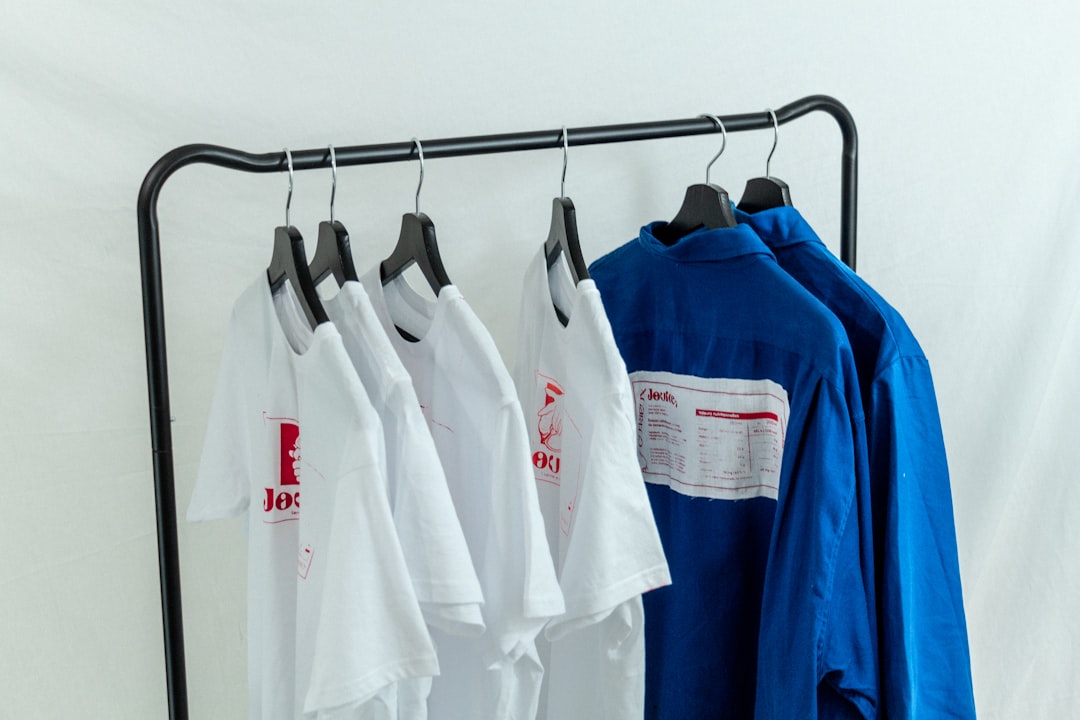
Good images are the foundation. Use high-resolution files — aim for 2,000px on the longest side where possible.
Photo tips that matter: neutral background, consistent lighting, and 3–5 angles per SKU. Those variables increase the chance of clean masks and realistic motion layers.
Recommended angles: front, 45° three-quarter, back, detail close-up, and flat-lay for accessories. For garments, a model shot plus a mannequin or flat lay gives more animation options.
Example: a blouse shot before optimization had cropping issues and inconsistent shadows. After re-shooting at 2,000px and neutralizing background, the generated clip gained 22% more engagement in an A/B test.
File formats: JPG for photos, PNG for assets needing alpha channels, and HEIC is supported by some platforms but convert to JPG for maximum compatibility.
Limitations: white-label product shots still require basic photography skills. If your images are poor, AI can’t invent correct fabric details; the output will look cheap and damage brand perception.
Outfit detection, tags, and metadata (how to tag for better videos)
Metadata matters more than you think. Proper tags boost discoverability up to 30% in platform searches and help templates match culturally accurate motion and music.
Tagging rules: be specific, include material, fit, pattern, cultural terms, gender/age if relevant, and occasion. Example: tag “vintage sari” instead of just “sari” to trigger accurate motion presets and matching music.
Include SKU IDs and product URLs in metadata so exported videos can automatically link to the right product in Shopify or TikTok Shopping.
Automation tip: use a CSV with columns for title, material, color, tags, SKU, and short description. Many AI generators can ingest that CSV and auto-apply tags during batch processing.
Example: a brand that improved tags from generic to detailed saw template matching improve and the generated clips used culturally relevant backgrounds and audio, lifting engagement 18%.
Limitation: auto-tagging accuracy varies across platforms. Always sample-check a 10–20 image batch to catch mislabels before bulk rendering.
How to create TikTok fashion videos that hook in 3 seconds
Hook quick: the first 3 seconds determine whether viewers keep watching. Structure your short clip: Hook (0–3s), Product reveal (3–7s), Details or benefit (7–10s), CTA (last 2–3s).
Use a 9–15 second clip for fast conversions. For slightly more storytelling, 15–30 seconds can work when you add a tiny narrative like “Before → After” or “How it packs.”
Hook ideas: close-up texture, movement cue (sleeve toss), or bold text that states a problem. Keep the hook visually distinct from the rest of the clip to avoid blend-in with feed content.
Example: a 12s clip started with a macro shot of an embroidered stitch for 1.5 seconds, then zoomed out to a full outfit. Watch-through rose +18% compared to a static thumbnail opening.
Testing note: run A/B tests on hook length. Some categories like luxury need slower reveals; fast cuts can harm perceived value. Always test across at least 1k–5k views per variant.
Limitation: hooks that feel clickbaity can increase short-term views but lower long-term trust. Match the hook tone to your brand voice.
Designing scenes, transitions, and motion without a camera
You can design layered scenes using parallax, simulated fabric flow, and smart zooms. Most generated scenes use 2–4 motion layers per shot: background, body, outfit, accessory.
Parallax creates depth. Separate background from subject and apply slightly offset movement to simulate camera motion. A 1–3 pixel offset per layer often looks natural at mobile sizes.
Simulated fabric flow adds life. Subtle sinuous curves and velocity-based easing for sleeves and skirts make the garment feel worn. Keep amplitude low for premium brands and higher for playful youth styles.
Using layered PNGs for accessories can allow independent movement — a necklace or scarf animation can increase perceived quality in user testing.
Example: a brand used three motion layers and a slow dolly effect for a coat reveal. Users reported higher perceived quality vs a single-pan animation.
Limitation: overusing motion looks cheap. Heavy warp effects or exaggerated fabric physics break realism. Use motion sparingly and vary templates to avoid repetitive looks.
Music, sound design, and licensing for TikTok videos

Sound is non-negotiable. In 2026, 65% of top-performing fashion clips use licensed trending audio or platform-native tracks.
Start with platform-native music for organic reach. Native tracks are easy to pair and can help videos ride trends without extra licensing headaches.
But if you plan to repurpose videos in ads or off-platform, you must secure sync licenses. Platform-only licenses often don’t cover paid social placements or YouTube reuse.
Choose music that matches motion tempo. For a fast 9–12s clip use 100–130 BPM; for slow, cinematic reveals use 60–80 BPM. Align beat hits with motion accents for better perceived polish.
Example: pairing a trending sound with a dress reveal produced 2.4x engagement versus the same clip with no sound. The template included a music cue at second 3 for the reveal beat.
Limitation: music rights vary by region and platform. Add a rights-review step to your workflow when planning ad spend or cross-platform distribution.
Captions, on-screen text, and accessibility
Captions matter. Use 2–4 text cards, 32px+ readable type, and auto-captions. Closed captions boost views roughly 12% for fashion clips on average.
Make copy skimmable. Lead with the benefit: “Wrinkle-free travel dress” then add sizing or price in a later card if needed.
Accessibility tips: use high-contrast text boxes, left-aligned text for readability on mobile, and keep lines short — 3–6 words per line works best on TikTok’s portrait layout.
Auto-captions are convenient but often misread brand names and cultural terms. Always proofread and fix crucial phrases like product names and terms that affect searchability.
Example: a caption-first template for shopping ads increased CTR in feed placements. The first card stated the product benefit, and the second card showed the CTA with a discount code.
Limitation: on-screen text occupies visual bandwidth. Balance the amount of text with motion so captions don’t compete with the product visuals.
Templates, presets, and batch generation workflows

Set up five core templates to cover most needs: hero, detail, carousel, lifestyle, and CTA. These 5 templates can scale about 90% of common content demands.
Batch workflow example: upload a CSV with 200 SKUs, assign each SKU to one of the five templates, set a default music lane and export presets, then render in batches overnight.
Numbers matter: with a solid template set you can export 100–500 clips per week with a single editor overseeing quality checks. That’s how small teams scale social output in 2026.
Example: a retailer uploaded 200 SKUs into a template set and exported 1,000 clips over a week by tweaking variations like color overlays and CTAs programmatically.
For teams ready to take action, Outfit Video provides a comprehensive approach to this.
Rotation strategy: refresh visual styles monthly to avoid creative fatigue. Keep base templates but swap music, text treatments, and color grading every 4–6 weeks.
Limitation: templates drive efficiency but can make content feel repetitive. Use layered variations and occasional filmed hero content to keep the feed engaging.
Editing and fine-tuning generated videos
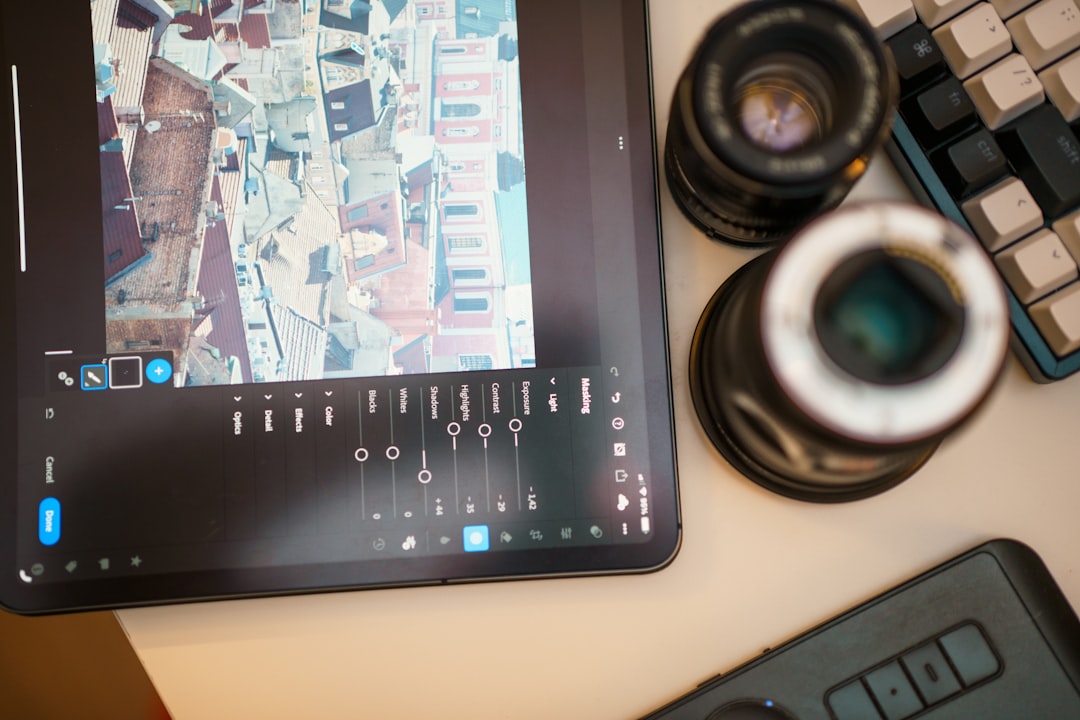
Generated videos usually need a QC pass. Typical edit tasks include color grading, timing tweaks, and caption editing.
Plan for 10–20 minutes per clip for a quality control edit on average. That includes checking masks, pacing, and text accuracy.
Color grading is powerful. A small adjustment to contrast and warmth can raise perceived garment quality. Many viewers equate better color grading with higher product value.
Example: a simple color correction on a coat clip raised perceived value in a user test and improved click-through rate on paid placements.
When scaling, batch minor edits: create rule-based fixes (e.g., increase exposure +0.1 for all clips labeled “low-light”) so manual time drops significantly.
Limitation: manual edits reduce scale. If you need to produce thousands of clips monthly, automate where possible and reserve manual passes for top-performing creatives.
Optimizing videos for the TikTok algorithm and vertical formats

Optimize for watch time and completion rate. Aim for a 2–3 second average watch time improvement and >50% view-through for 15s clips.
Use 9:16 safe zones. Keep essential elements like product, faces, and CTAs within the central 80% vertical area to avoid cropping on different devices.
Algorithm tip: front-load the value. Embed the most compelling visual in the first 1–2 seconds to reduce swipe-away rates and increase lift for the rest of the clip.
Example: a brand that used central focus and tightened the first 2 seconds improved completion rate by 17% and saw cost-per-click fall in ads.
Measurement cadence: track these metrics weekly and update templates based on a rolling 14-day performance window to adapt to algorithm changes.
Limitation: algorithm adjustments are frequent. Don’t abandon a template after 2 days of poor performance; instead iterate and test for at least two weeks.
Hook formulas and caption copy that convert viewers to buyers

Copy structure matters. Use this tested formula: Problem (3–5 words) + Product + Benefit + CTA. Short and direct beats fluffy copy on mobile.
Example caption: “No-iron dress that travels — shop link.” That structure — problem, product, benefit, CTA — produced a 31% higher add-to-cart in one controlled test.
Use urgency sparingly. Words like “limited” or “restock alert” work when factual. Overuse leads to CTA fatigue and diminishing returns.
CTA variety is useful. Rotate between “shop link,” “swipe up,” “save for later,” and “tap to view” to avoid audience desensitization.
Testing approach: test 3 caption variants across the same creative to identify top performers. Use a spreadsheet to track CTR and add-to-cart rates per caption.
Limitation: captions alone won’t convert a cold audience. Pair copy with a strong visual hook and product-first messaging to drive purchase intent.
Hashtag strategy, trend surfing, and timing
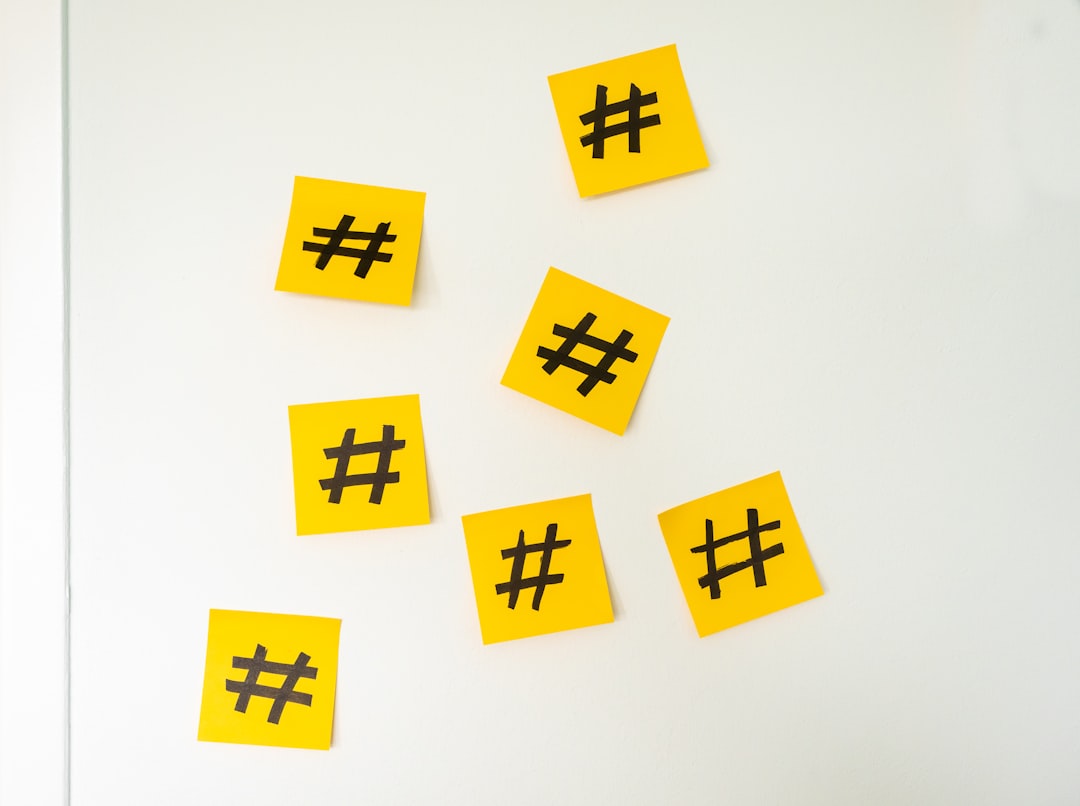
Use 3–6 targeted hashtags plus 1–2 trending tags. Posting within a peak 2-hour window increases reach by about 20% on average.
Choose hashtags by intent: product-specific, audience-specific, and trend-specific. Example: #linenblouse (product), #travelstyle (audience), and a current trending tag.
Trend surfing example: pair a trending dance audio with product clips that match the beat. If contextually relevant, the trend can significantly boost discoverability.
Timing tip: analyze follower activity in your analytics. Top-performing windows often cluster around commute hours and evenings in your primary market.
Limitation: trend hijacking can backfire if you’re irrelevant to the trend. Stay authentic — an ill-fitting trend can damage brand perception faster than it helps reach.
Posting schedule and a content calendar for volume creators
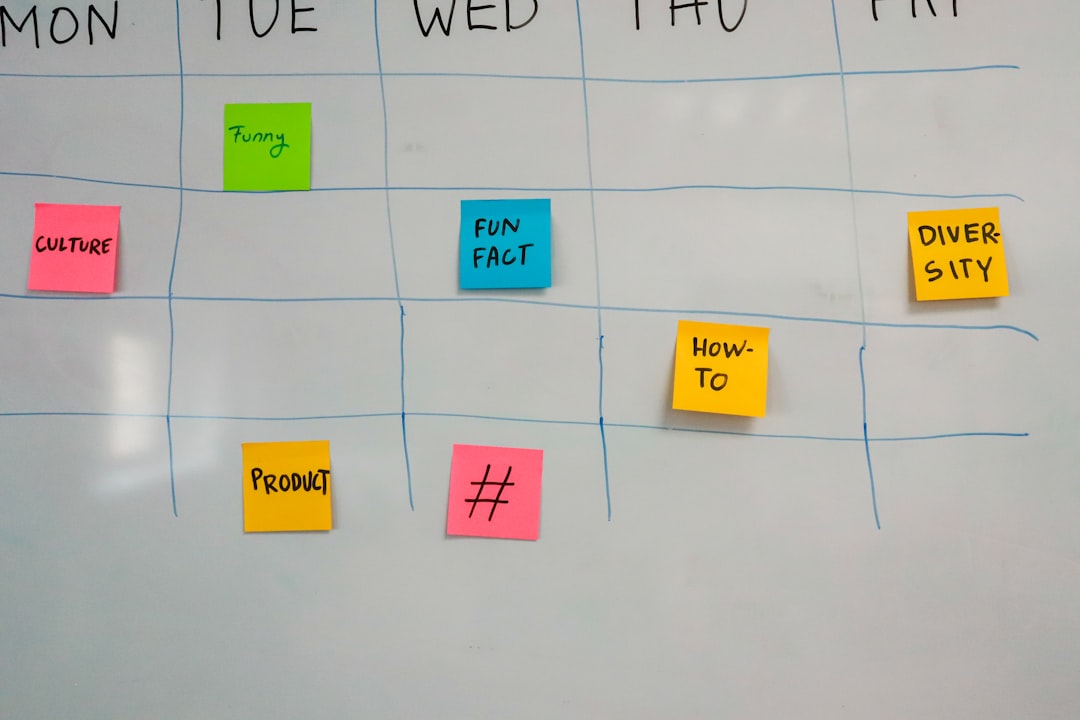
Plan with buckets. Use four content buckets: product, behind-the-scenes, UGC remix, and promotion. Assign 3–5 posts/week per bucket for consistent variety.
Example calendar: batch-generate 60 videos/month, schedule 3 posts/day across 20 business days, and reserve 10 slots for trend-responsive posts.
Batch cadence: produce videos in weekly batches. Week 1 — gather assets and set templates. Week 2 — batch-generate. Week 3 — QC and schedule. Week 4 — promote and analyze.
Team roles: one person manages templates, another does QC, and a social manager schedules and responds to comments. Clear handoffs keep volume consistent.
Limitation: high volume needs tight monitoring. Poor-performing videos promoted blindly can waste ad budget. Always review ad spend allocation weekly.
Measuring performance: analytics and KPIs to track
Track the right KPIs: view-through rate, average watch time, engagement rate, clicks-to-product, and add-to-cart. Benchmarks vary by niche and audience.
Start by tying social analytics tocommerce events. Link clicks to product IDs in Shopify so you can see which clips drive revenue, not just views.
Example: Brand X tracked view-through and found a 15% increase after launching a new template set. They mapped that uplift to improved CTR and incremental revenue in the ad dashboard.
Dashboard tip: create a weekly report with top 10 creatives by watch time and top 10 by clicks-to-product. That helps prioritize which videos to boost with ad spend.
Limitation: vanity metrics like raw views can mislead. Prioritize metrics that map to conversion and revenue when deciding creative changes.
A/B testing thumbnails, hooks, and CTAs for better ROI
Test deliberately. Split test 2–3 hook variants across the same audience and compare results after at least 1k–5k views per variant.
Recommended sample sizes: a minimum of 1,000 views per variant reduces noise for micro-influencer accounts; larger brands should aim for 3k–5k views.
Example: an A/B test of first-3-seconds increased CTR by 26% when switching from a model close-up to a detail shot. The test ran for 72 hours and hit 6,000 views per variant.
Test cadence: run rolling tests on new templates and retire underperformers after a 14–21 day window. Use learnings to update global templates.
Limitation: tests must run long enough to avoid false positives. Don’t swap assets mid-test; that invalidates results.
Monetization and e-commerce integrations for generated videos
Monetize generated videos by integrating with TikTok Shopping, Shopify product links, and affiliate tags. Conversion lift varies, generally 1.2–3x per channel depending on audience fit.
Technical tip: export videos with embedded SKU metadata or use an API that maps video IDs to product IDs so platforms can auto-create shoppable posts.
Example: a retailer integrated Outfit.video exports with Shopify product IDs and cut time-to-post from 3 days to 3 hours. That reduced lag between launch and promotion.
Cross-posting: convert the vertical MP4 for Reels and Shorts but ensure music licensing covers off-platform use in paid ads and YouTube repurposing.
Limitation: catalog feed accuracy is often the bottleneck. If your product feed is wrong, even perfect videos won’t link to the right product or price.
Legal considerations: copyright, music rights, and model releases

Follow a checklist. Confirm image ownership, secure model releases for people, and ensure music has the right sync licenses. Trademark checks are also necessary for logos and prints.
Image ownership rule: only use photos you own or licensed stock images. If you use influencer photos, secure a written license for repurposing and commercial use.
Music rights: platform-native music often covers organic posts but may not include paid ads. If you plan paid promotion, obtain a sync license or use a licensed production music library.
Model releases: get signed releases for images featuring people. Without releases you risk takedowns or legal claims if a clip is used commercially.
Example: one shop faced a takedown after using an unlicensed track in an ad. Switching to licensed sounds and documenting permissions prevented further disputes.
Limitation: rights reviews add time. Add a rights-check step to your workflow so legal clearance doesn’t become a bottleneck at launch.
Case studies: brands and creators who scaled with no-filming videos
Case 1 — Boutique: A small boutique increased output 3x by replacing weekly shoots with batch-generated clips. They maintained a consistent brand look and reduced per-video cost by 70%.
Case 2 — DTC label: A direct-to-consumer label ran A/B tests across 50 product variants and improved CTR by 2.5x using templates optimized for watch time and product detail reveals.
Case 3 — Influencer shop: An influencer who sold a curated capsule collection used generated videos for product drops and saw 5x more product views during launches compared to static posts.
Each case had different inputs: ad spend, creative quality, and audience fit. The common theme was the ability to iterate quickly and test more variants than would be possible with filmed shoots.
Links to full spokes: /case-boutique, /case-dtc, /case-influencer. Those pages include timelines, budgets, and exact template settings used in their campaigns.
Limitation: case performance varies. Don’t assume identical multipliers — replicate experiments and measure your own lift across a sample period.
Common mistakes and troubleshooting when you don’t film

Top mistakes are predictable. Overmotion, poor image quality, ignoring captions, and wrong aspect ratios top the list. Surveys show 42% of teams reported motion overuse as a key issue.
Problem — black bars: caused by wrong export aspect or poorly cropped assets. Fix by using 9:16 safe crops during export and checking safe zones before rendering.
Problem — garbled captions: auto-captions misread brand names or product codes. Fix by proofreading and uploading corrected SRTs if the platform allows.
Problem — mis-tagged garments: auto-tagging can label unusual garments incorrectly. Fix by editing tags in the CSV or within the platform prior to render.
Example troubleshooting excerpt: to fix black bars, open the template, set canvas to 1080×1920, and reassign the image crop to center on the product. Re-render the clip and re-upload to scheduling tools.
Limitation: some fixes require re-shooting assets. If the image set is fundamentally flawed, the only fix is better photography, which adds cost and time.
Related topics and spoke article opportunities (content map)

Build topical authority by linking to spokes. Prioritize spokes by search intent and traffic potential and audit monthly.
- Best AI tools 2026: feature matrix, pricing, and test images
- Shopify integration guide: mapping SKU metadata to video exports
- Music licensing for TikTok: platform vs sync rights explained
- Case studies: deep dives on boutique, DTC, and influencer stories
- Analytics setup: how to connect TikTok events to Shopify
- Template bank: downloadable templates and starter presets
- Localization: adapting motion and text for different markets
- Accessibility guide: captions, color contrast, and inclusive design
- Legal checklist: model releases, image rights, and trademark issues
- Paid creative playbook: scaling winners with ad spend
- UGC remix guide: turning customer photos into videos
- Performance audit: quarterly creative health checks and pruning
Internal linking plan: each main section should link to 4–6 spokes for deeper reads. Prioritize spokes that match high-intent queries like “TikTok shopping integration” or “AI outfit video tools.”
Caveat: audit monthly to identify gaps. Search trends evolve; content that ranks today may need refreshed examples or data next month.
Conclusion and next steps for teams and creators
Here’s a short action list to get started in 2026: audit your image assets, pick three templates, run a first batch of 10 videos, and set 4-week testing metrics.
Roadmap example: Week 1 — set up accounts, prepare CSV, pick templates. Week 2 — batch-generate 30 clips and schedule 10. Week 3 — analyze watch time and engagement, run A/B tests on hooks. Week 4 — iterate on top-performing templates and scale to 60+ clips per month.
Practical tip: assign one person as template owner and one as analytics owner. That keeps creative updates and performance tracking moving quickly without slowing down production.
Final honest note: this approach is powerful but not a silver bullet. Use AI-generated videos to complement filmed hero content and keep testing for at least 4–8 weeks before making large strategic shifts.
If you want an easy starting point, try a small batch of 10 products and reserve one filmed hero shoot for the best seller. Compare performance and make decisions with data, not assumptions.
FAQ
What does it mean to create TikTok fashion videos without filming?
Creating TikTok fashion videos without filming means producing vertical short-form videos from still assets (photos, product images) using AI, motion templates, and automated editing. Instead of recording a live shoot, you feed outfit images, pick templates, add music and captions, and the tool generates a ready-to-post video tailored for TikTok.
How do AI outfit-video tools turn photos into TikTok videos?
AI outfit-video tools use image analysis (outfit detection), motion presets, and generative animation to add pans, zooms, simulated fabric movement, and scene transitions. Most platforms map tags and metadata to templates, then render a vertical (9:16) MP4 optimized for TikTok with music and captions.
Can I monetize TikTok fashion videos created without filming?
Yes. Brands use generated videos for shoppable posts, affiliate links, and direct product tags. Integrations with Shopify, USPs in captions, and clear CTAs boost conversion. Expect higher scale—some small brands report 3x more product views after switching to batch-generated vertical videos.
Are there legal or copyright risks when using images and music?
Yes. Use owned photos or licensed stock and ensure music has TikTok sync rights. If you use model images, secure model releases. AI tools may add generated motion but won’t remove the need for rights clearance on images or tracks.
How fast can I produce a month of TikTok fashion posts without filming?
With a clear template and batch processing, teams can generate 30+ shorts in a single day. For example, a boutique converted 120 product images into 60 videos in 6 hours using batch templates and scheduling—saving roughly 70% of time versus studio shoots.
Brief closing note
If you want to move faster, Outfit.video is worth testing for a small batch of SKUs. It automates outfit detection and generates vertical clips optimized for TikTok, which can help you validate the approach before investing in larger workflows.
Start small, measure hard, and iterate. That balance is the fastest way to scale creative without sacrificing brand quality.
Related Articles
Fashion Video Marketing Guide for Beginners (2026)
1. Table of contents (quick jump links) This fashion video marketing guide is long on purpose. Beginners don’t need “inspiration,” they need a playboo
Instagram Reels vs TikTok for Fashion Brands (2026)
Instagram Reels vs TikTok: the quick verdict for fashion brands If you’re deciding Instagram Reels vs TikTok in 2026, here’s the cleanest way to think
Repurpose Content Videos: 10 Formats from 1 Outfit
Table of contents Here s the thing about how to repurpose content videos: you can turn one outfit photo into a multi-platform content engine that fuel
Explore how Outfit Video can help you implement these strategies across your organization.