Fashion Influencer Content Strategy: 12 Systems (2026)
February 12, 2026
Intro: Consistency isn’t hustle—it’s a system
A solid fashion influencer content strategy isn’t “post every day and manifest it.” It’s a set of repeatable systems that make posting feel boring (in a good way), so you can show up consistently without frying your brain.
Here’s a real benchmark that stays sustainable for a lot of creators: 3–5 short-form videos per week (TikTok/Reels/Shorts) plus Stories most days. That cadence keeps you in the algorithm conversation without turning your entire life into a content factory.
This post is a practical playbook: how to plan content with fewer decisions, how to batch efficiently, how to repurpose one outfit into a week of posts, and how to build boundaries so you don’t end up “winning” by burning out. I’ll also cover low-edit options, including photo-to-video workflows (yes, turning outfit images into vertical videos) for the weeks when filming just isn’t happening.
If you’re a fashion creator, a boutique owner, a social media manager for an e-commerce brand, or a stylist who needs consistent short-form output, these 12 systems will keep your content engine running even when motivation disappears.
1. Build a 3-pillar calendar (and kill the 4th pillar)
The fastest way to simplify your fashion influencer content strategy is to pick three content pillars you can repeat weekly. Fewer pillars means fewer decisions, fewer “what should I post?” spirals, and way less creative fatigue.
A clean fashion setup looks like this: Research from Burnout is about your workplace, not your people (Harvard Business Review) supports this.
- Outfit formulas: “3 ways to wear,” “capsule combos,” “one hero piece styled 5 ways.”
- Fit/try-on notes: sizing, fabric, stretch, petite/plus feedback, what you’d tailor.
- Shopping/reviews: new-in, returns, dupes, “worth it or not,” brand comparisons.
Rotate them like a schedule you don’t negotiate with: Research from The 70/20/10 rule for social media content (Buffer) supports this.Mon/Wed/Fri works well for most people. Your brain starts to trust the system because it stops being a daily debate.
One caveat: if you’re niche (luxury resale, modest fashion, thrift flips, workwear-only), your pillars might be narrower. Don’t force variety just to look “well-rounded.” Depth beats randomness.
2. Use the 70/20/10 rule for output (repeat, remix, risk)
This is the part of a fashion influencer content strategy that keeps growth moving without constant stress: 70/20/10.
- 70% proven formats: the stuff your audience already saves and re-watches.
- 20% remixes: same idea, new hook, new order, new styling twist.
- 10% experiments: trends, weird edits, brand-new formats, spicy opinions.
Example: if you post 7 times/week, that’s 5 repeats (outfit formula videos), 1 remix (same outfit, but “day to night” instead of “3 ways”), and 1 risk (trend audio, skit, or a controversial styling take).
This reduces decision fatigue because you’re not reinventing the wheel daily. You’re mostly repeating what works, just packaging it slightly differently.
Limitation: if you’re early-stage, you may need 4–6 weeks of heavier experimentation to find your winners. Once you’ve got 2–3 formats that hit, lock them into the 70% bucket.
3. Batch filming in 90 minutes with a shot list (not vibes)
Batching is the backbone of a sustainable fashion influencer content strategy. The goal isn’t a “content day” that eats your weekend. It’s a tight weekly block: 90 minutes.
Aim to capture 12–18 clips that are 2–3 seconds each. That’s enough raw footage for 4–6 short-form videos if you edit smart (or keep it edit-light).
Use a shot list so you’re not standing there staring at your closet waiting for inspiration to strike:
- Hanger shot: the full outfit on a hanger (clean, quick opener).
- Full-body walk: 2 passes, one closer, one wider.
- Close-up fabric: texture + movement (especially for knits, denim, satin).
- Shoe swap: sneaker to heel to boot.
- Accessory swap: belt, bag, earrings, sunglasses.
- Mirror turn: 1 slow turn to show fit from all angles.
Batch days fail for one main reason: you try to plan outfits the same day. Pre-hang 3–5 looks the night before, including shoes and accessories. Honestly, that one habit saves more time than any editing trick.
| Feature/Aspect | Option A: Batch workflow | Option B: Daily creation | Winner |
|---|---|---|---|
| Time predictability | High (planned blocks) | Low (constant context switching) | A |
| Creative energy | Protected (fewer decision points) | Drains faster (daily pressure) | A |
| Trend responsiveness | Medium (leave slots for trends) | High (react instantly) | B |
| Summary | Batching wins for sustainability; daily creation only wins if trends are your core growth engine and you can keep boundaries. | ||
4. Create 10 “evergreen hooks” you can reuse all year
If your hooks are always “hey guys,” your content will feel like work forever. A smarter fashion influencer content strategy is to write 10 evergreen hooks once, then reuse them with different outfits.
Good hooks are basically reusable headlines. They cut your writing time hard because you’re not inventing a new angle every post.
- “If you hate your jeans, try this proportion fix.”
- “3 outfits for when you feel ‘meh.’”
- “Stop wearing X with Y (do this instead).”
- “This is why your outfit looks ‘off’ in photos.”
- “One item, three vibes: office / weekend / dinner.”
Limitation: hooks can feel repetitive if your visuals don’t change. Rotate locations (window light vs hallway), switch styling details (hair up vs down, different bag), or change the first shot (hanger shot vs walking shot) so it feels fresh even when the hook repeats.
5. Turn one outfit into 6 posts (platform-agnostic repurposing)
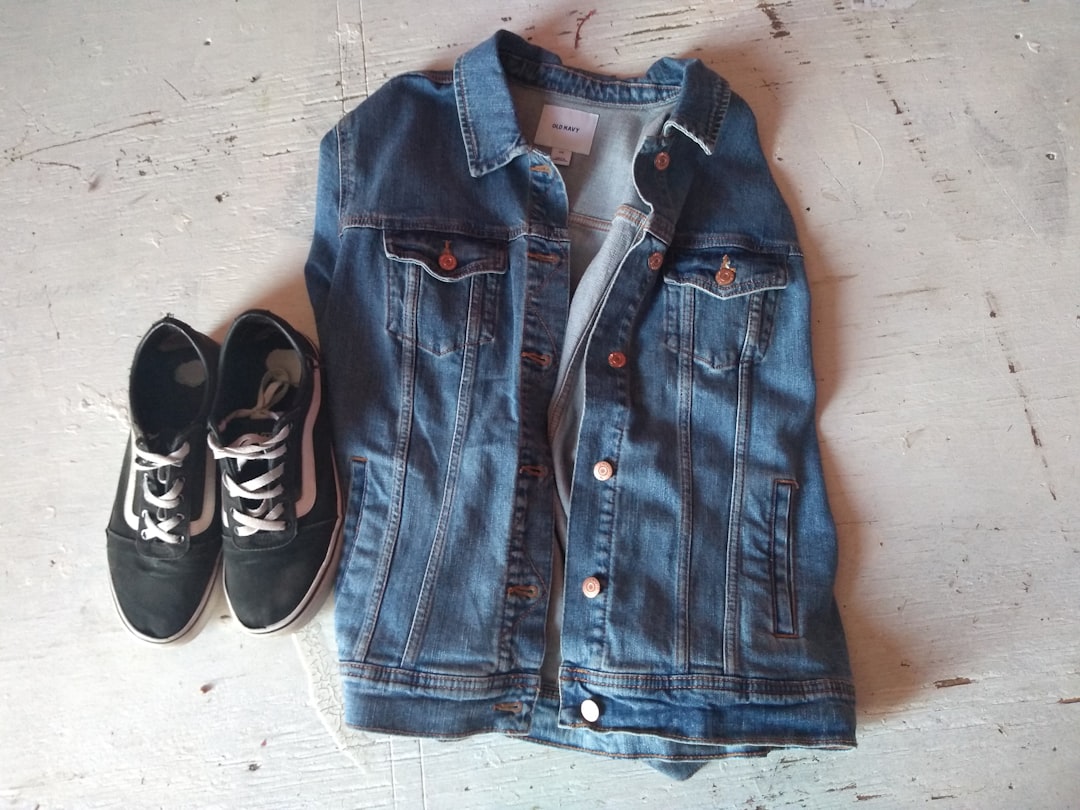
Repurposing is where a fashion influencer content strategy starts to feel unfair (in the best way). One outfit can carry a week if you plan outputs by platform instead of reinventing looks daily.
Here’s a simple system:
- 1 Reel/TikTok/Short: outfit montage with an evergreen hook.
- 1 carousel: “3 ways to style” or “fit notes + sizing.”
- 1 Story poll: “Sneakers or heels?” “Keep or return?”
- 1 Pin: vertical outfit idea with keywords (workwear, capsule, date night).
- 1 product link post: shop page, LTK, storefront, or product tags.
- 1 email/notes app draft: save the idea for a newsletter, blog, or brand pitch.
Example: a black blazer becomes office look (loafers), dinner look (heels + clutch), casual look (sneakers + cap) across the week. Same base piece, different vibe, minimal extra effort.
Caveat: don’t copy-paste captions everywhere. TikTok can handle more casual context, Reels often rewards tight hooks, Pinterest needs searchable keywords, and email needs actual detail. Same concept, different packaging.
6. Make your influencer workflow ‘edit-light’ by design
Most “creator burnout” isn’t filming. It’s editing. An edit-light fashion influencer content strategy is built before you hit record.
Reduce steps by standardizing everything:
- Same framing: one corner, one backdrop, consistent distance.
- Same lighting: window light at the same time, or one cheap soft light you always use.
- Same transitions: 1–2 transitions you can do without thinking.
- Same music style: pick a vibe bucket (minimal, pop, chill) so choices don’t eat time.
A practical setup: film in one corner, tripod height marked with tape, two angles only (wide + close-up), and one template you reuse weekly.
Limitation: edit-light doesn’t mean low-quality. If your audio is crunchy or your lighting is dim, people swipe. Minimum standard: bright image, stable frame, and no distracting background noise.
7. Use “photo-to-video” as your safety net week (Outfit Video)
Every creator has weeks where filming falls apart: travel, deadlines, sick kid, bad weather, low energy, or you just can’t look at your tripod without wanting to throw it out a window. This is where photo-to-video becomes a legit part of your fashion influencer content strategy.
The use case is simple: when you can’t film, turn a static outfit image into a short vertical video automatically. It fills gaps without you spiraling into “I’m failing” mode.
It’s also perfect when brands send product photos only. You can still deliver a cinematic vertical clip in 720p or 1080p for Reels/Shorts without begging for more assets.
If you want a specific tool for this workflow, Outfit Video is built for it: upload an outfit photo and generate a professional short-form video optimized for vertical platforms.
Caveat: AI video works best with clean, well-lit outfit images. It won’t fix messy styling, wrinkled clothes, bad angles, or a cluttered mirror selfie. Treat it like a multiplier of good inputs, not a rescue mission for bad photos.
8. Build a “content bank” with 30 captions + 30 B-roll clips
A content bank is your insurance policy. In a strong fashion influencer content strategy, you don’t rely on “feeling creative” on a random Thursday.
Target:
If you’re looking for a solution to implement this, check out Outfit Video to get started.
- 30 caption starters you can drop onto posts when your brain is fried.
- 30 B-roll clips (zips, buttons, bag close-ups, jewelry sparkle, fabric swish, shoe stepping).
Store them by category so you can grab-and-go. Notion or Google Sheets works fine. Useful columns:
- Pillar
- Hook
- CTA (comment, save, click, vote)
- Product tags (SKU, brand, affiliate link)
- Season (spring, summer, fall, winter)
Limitation: content banks rot if you never review them. Schedule a monthly 30-minute refresh to delete stale ideas, add new hooks, and update product links.
9. Protect 2 “no-content” blocks per week (burnout prevention)
If your fashion influencer content strategy doesn’t include rest as a rule, you’ll end up resting as a consequence. Two no-content blocks per week is a simple boundary that actually works.
These blocks mean: no filming, no editing, no brainstorming, no “just checking analytics.” Treat them like meetings you can’t move.
Example schedule:
- Tuesday evening off (real off)
- Sunday morning off (no planning your week in your head)
Scheduling posts in advance is what makes this real. If you’re always posting manually, your brain never clocks out.
Caveat: brand launch weeks happen. Flex if you must, but repay the time within 7 days or you’ll train yourself to break your own boundaries.
10. Measure the 3 metrics that actually matter (and ignore vanity spikes)
Analytics can either sharpen your fashion influencer content strategy or make you anxious for no reason. I’d focus on three metrics that map to real outcomes:
- Saves: styling value. People save what they want to copy.
- Average watch time: video quality and pacing.
- Link clicks: business impact (sales, sign-ups, store visits).
How to use them without overthinking:
- High saves, low clicks: add clearer CTAs (“shop the blazer in my links”), use product tags, and put the item name on-screen.
- Watch time drops: tighten your intro. If the first 1–2 seconds are slow, people leave.
- Clicks high, saves low: you’re selling, but not teaching. Add one practical styling tip so it’s not just a catalog.
Limitation: platform analytics are noisy. Judge patterns over 10–20 posts, not one flop. One underperformer doesn’t mean your strategy is broken; it usually means your hook was weak or your first shot didn’t earn attention.
11. Create a brand-collab pipeline so you’re not scrambling
Collabs are easier when you treat them like operations, not chaos. A stable fashion influencer content strategy includes a simple pipeline so you’re not chasing deadlines in your DMs.
Two pieces make this work:
- A rolling 4-week collab calendar: deliverables, post dates, usage rights, exclusivity windows.
- A simple intake form: assets, deadlines, talking points, do’s/don’ts, required tags, approval process.
When you get the brief, request 2–3 approved angles so you can choose what fits your voice. Also ask whether photo-only assets are allowed, because that opens the door to photo-to-video deliverables (which is clutch when shipping is late or filming time disappears).
Caveat: too many collabs kills creativity and audience trust. Cap sponsored posts to a ratio you can live with, like 1:3 (one sponsored for every three organic). If you can’t maintain quality and excitement, your audience will feel it.
12. Your “anti-burnout fashion influencer content strategy” weekly template
Templates sound rigid, but they’re actually freedom. This plug-and-play week keeps your fashion influencer content strategy consistent while protecting your energy.
Here’s a simple weekly structure with 1 batch day, 2 light days, 2 posting days, and 2 rest blocks:
- Monday (light): plan the week, pick 3 pillars, write 5–10 hooks, pre-hang outfits.
- Tuesday (rest block): no filming, no editing, no brainstorming.
- Wednesday (batch day): 90-minute batch film (12–18 clips) + quick B-roll.
- Thursday (light): edit/schedule 3–5 posts, prep captions from your content bank.
- Friday (posting day): post + 20 minutes of comments/DMs + pin a comment with links.
- Saturday (light): optional light shoot (one outfit, one location) or photo capture for backup.
- Sunday (rest block): off. No “just planning real quick.”
Limitation: templates fail if you ignore your energy patterns. If you work a 9–5, swap batch day to Sunday afternoon. If you have kids, film during school hours. If you travel or deal with chronic fatigue, plan a built-in safety net week using outfit photos (or photo-to-video) so you don’t fall off the schedule every time life happens.
Conclusion: Consistency comes from fewer decisions, not more effort
The creators who post for years aren’t tougher. They just have a tighter fashion influencer content strategy: fewer decisions, repeatable formats, an edit-light workflow, and boundaries that protect their energy.
If you do one thing this week, pick two systems and commit. The usual best start is 3 pillars + 90-minute batching. That combo removes the daily “what do I post?” problem and gives you footage on tap.
And when you’re short on filming time, don’t disappear. Use a low-friction backup like generating vertical outfit videos from photos (tools like Outfit Video exist for exactly this) so your schedule stays intact without you pulling an all-nighter.
FAQ
What is a fashion influencer content strategy?
A fashion influencer content strategy is a repeatable plan for what you post, how often you post, and how you produce it—without relying on last-minute inspiration. It usually includes 3–5 content pillars (like outfit styling, try-ons, shopping, and education), a weekly workflow (batching + templates), and simple success metrics (saves, watch time, clicks). The goal is consistency and growth with predictable effort.
How do I create consistent content without burnout as a fashion influencer?
Start by choosing fewer formats, not more: pick 1 “hero” format (like short outfit videos) and 2 supporting formats (carousels + Stories). Batch film once per week, pre-write hooks and captions, and reuse the same outfit footage across TikTok, Reels, and Shorts. Track output in a simple calendar and cap your weekly deliverables so you don’t “win” by overworking.
How many times a week should a fashion influencer post in 2026?
Most creators do best with 3–5 short-form videos per week plus daily Stories, because it’s sustainable and keeps the algorithm fed. If you’re growing fast and can batch efficiently, 5–7 videos can work—but only if you’re not sacrificing sleep or brand quality. Consistency beats occasional high-volume sprints that lead to two-week disappearances.
What are the best content pillars for fashion creators?
Reliable pillars are: (1) Outfit formulas (e.g., “3 ways to wear”), (2) Try-ons and fit notes, (3) Shopping and reviews, (4) Styling education (proportions, color, fabric), and (5) Lifestyle context (events, travel, workwear). The best mix depends on your niche: petite, plus-size, modest, luxury, thrift, streetwear, or mom style. Pick pillars you can repeat weekly without needing constant shopping.
How do I plan an influencer workflow when I hate editing videos?
Design a workflow where editing is the smallest step: use templates, keep clips under 2–3 seconds each, and rely on consistent framing/lighting so you don’t “fix it in post.” If you have outfit photos, tools like Outfit Video can turn a static outfit image into a cinematic vertical video automatically—useful for filling gaps on weeks you can’t film or when a brand only sends product photos.
| Feature/Aspect | Option A: Talking-to-camera styling tip | Option B: Outfit video montage (no talking) | Winner |
|---|---|---|---|
| Effort level | Medium (script + confidence) | Low–Medium (film clips or generate from photo) | B |
| Authority building | High (teaches + builds trust) | Medium (visual inspiration) | A |
| Repurposing across platforms | High | Very high (works everywhere) | B |
| Summary | Use talking tips to build trust, and outfit montages as your consistent “always-postable” format when energy is low. | ||
Brief conclusion
Your best fashion influencer content strategy is the one you can repeat when you’re tired. Build three pillars, batch in 90 minutes, reuse hooks, and protect two no-content blocks every week. When filming falls apart, use outfit photos (or a photo-to-video tool like Outfit Video) to keep posting without burning out.
Related Articles
Vertical Video Creation for Fashion Brands (2026)
Table of contents (jump links) If you’re here for vertical video creation, you probably have one of two problems: you need better performance (watch t
Instagram Reels vs TikTok for Fashion Brands (2026)
Instagram Reels vs TikTok: the quick verdict for fashion brands If you’re deciding Instagram Reels vs TikTok in 2026, here’s the cleanest way to think
TikTok fashion content: 15 no-edit ideas (2026)
Intro: TikTok fashion content without editing—what actually works TikTok fashion content doesn’t need fancy edits to perform. It needs a clear idea, r
Ready to explore these options? Outfit Video offers a comprehensive solution.