Fashion Haul Video Strategy for Small Brands
July 25, 2026
Small fashion brands rarely have the budget for professional video crews or the follower count to make unpolished content go viral on instinct alone. Yet the fashion haul video — one of the most enduring formats on TikTok, Reels, and YouTube Shorts — keeps driving purchase decisions at a rate that static product imagery cannot match. The challenge is not whether to produce haul content; it is how to do it efficiently, consistently, and in a way that actually moves product rather than just generating views. This guide lays out a practical haul video strategy built for small brands working with limited time, lean teams, and tight margins.
- Fashion haul videos are among the highest-converting short-form formats for small brands because they combine discovery, social proof, and product detail in a single piece of content.
- A repeatable production workflow — not one-off viral attempts — is what separates brands that grow through haul content from those that burn out.
- Batching shoots, repurposing footage across platforms, and using AI video tools can cut production time by more than half without reducing quality.
- Haul video scripts should open with the strongest item, address objections early, and close with a clear path to purchase.
- Small brand haul content works best when it leans into specificity: niche aesthetics, honest sizing commentary, and genuine brand voice outperform generic unboxing energy.
- Platform-native formatting — aspect ratios, caption styles, audio trends — determines reach as much as content quality does.
Why Haul Videos Work Specifically for Small Brands
Large retailers use haul content to maintain awareness of breadth. Small brands use it differently: to build depth of trust around a focused product range. When a small brand presents five to ten items from a new drop in a single video, viewers are not just browsing — they are being introduced to a point of view. That is an advantage, not a limitation.
The haul video format also compresses the buyer journey. A viewer who watches a 60-second haul featuring your new linen co-ord set has absorbed the colour, the drape, the styling possibilities, and a sense of the brand personality all at once. According to consistent platform data, short-form video drives higher add-to-cart rates than any other content type for fashion categories. For a small brand, every percentage point of conversion improvement has an outsized impact on revenue.
There is a social proof dimension too. Haul videos carry an implicit endorsement even when the creator is the brand itself. Framing your own products as items worth hauling — worth showing off, worth talking through — positions them alongside the cultural moment those videos occupy.
Planning Your Small Brand Haul Content: The Foundations
Before you shoot a single frame, answer three questions: What drop or collection does this haul support? Who is the intended viewer, and what does that person need to know to convert? And where will this video live first?
The answers shape every decision downstream. A haul supporting a new autumn outerwear drop aimed at women aged 25 to 40 on TikTok needs a different opening hook, pacing, and closing CTA than the same content repurposed for a Pinterest Video Pin targeting gift shoppers.
Build your haul video strategy around a content calendar rather than reactive posting. If you are planning a seasonal drop, schedule haul content for three moments: a teaser haul showing previews, a launch-day haul covering the full collection, and a follow-up haul featuring styling variations and customer reactions. This three-part structure gives you consistent presence without requiring constant new production. For a structured approach to planning across a full month, the Fashion Content Calendar: 30 Days of Video Ideas offers a ready-made framework you can adapt.
Select your hero items carefully. Every haul needs an anchor — the piece most likely to stop a scroll. Lead with it. The rest of the video benefits from the attention that opener earns.
Scripting and Structure That Converts
The most effective small brand haul content follows a structure that feels casual but is anything but improvised. Here is a framework that works consistently across platforms:
- Hook (0–3 seconds): State the most compelling thing about this haul immediately. “New drop, five pieces, every one under £60” is stronger than “Hey guys, so I just got some new things in.”
- Item reveal sequence: Show each piece on a hanger, then on a body or a flat lay with movement. Name the piece, state the price, and give one honest observation about fit, fabric, or styling versatility.
- Objection handling: Address the questions your audience always asks — runs small, limited sizing, sold out fast last time — before they think to comment them.
- Styling moment: Show at least one item styled two different ways. This doubles perceived value without adding new products.
- CTA: A single, specific action. Link in bio, use the code, shop the drop — not all three.
Keep the total runtime between 45 and 90 seconds for TikTok and Reels. YouTube Shorts can extend to the 60-second mark comfortably. Pinterest Video Pins perform well at 30 to 45 seconds with strong visual hooks in the first two seconds — for platform-specific guidance, see Pinterest Video Pins for Fashion: What Works in 2026.
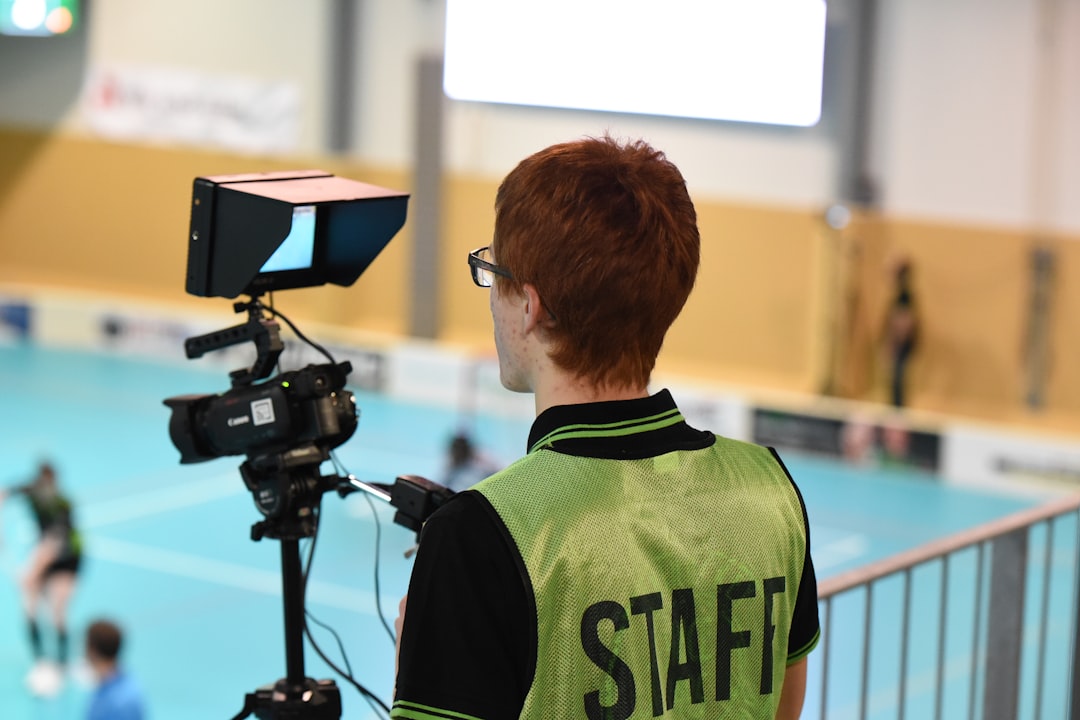
Production Workflow for Lean Teams
The biggest barrier to consistent haul content is not creativity — it is time. Small brand teams are already managing inventory, customer service, and marketing simultaneously. A production workflow that relies on spontaneous filming will always lose to competing priorities.
The solution is batching. Dedicate one half-day per new collection to filming all haul content for that drop. Set up your shooting space once, steam all garments before you start, and film every item in sequence. From one batching session you can extract a full launch haul, individual item clips for Stories, and flat lay footage for repurposing.
AI video tools have fundamentally changed what is possible in post-production for small teams. Outfit Video transforms static outfit photos into short-form fashion videos, which means you can supplement filmed content with AI-generated clips built from your existing product photography. This is particularly useful for filling content gaps between drops or creating platform-specific variations without reshooting. If you are weighing up the broader case for AI video in small brand contexts, How Small Fashion Brands Are Using AI Video to Compete covers the competitive landscape in detail.
For lighting, you do not need a studio. A north-facing window, a white foam board reflector, and a ring light for fill covers the vast majority of small brand haul shoots. The garment should always be the brightest element in the frame.
Platform Distribution and Repurposing Your Haul Content
A single haul shoot should generate content for at least three platforms. The same footage, reformatted and re-captioned, performs differently on TikTok, Instagram Reels, YouTube Shorts, and Pinterest depending on audience behaviour and algorithmic preference.
Key formatting considerations by platform:
- TikTok: Trending audio increases initial distribution significantly. Caption text overlays should appear in the lower two-thirds to avoid the UI overlay zone. Hashtag strategy should mix broad fashion tags with niche community tags relevant to your aesthetic.
- Instagram Reels: Cover frame selection matters more than on TikTok because Reels appear in grid view. Choose a frame that communicates the collection’s aesthetic at a glance.
- YouTube Shorts: Titles and descriptions carry SEO weight that the other platforms do not. Name the collection, the season, and the brand in the title.
- Pinterest: Static-style thumbnails with text overlay outperform pure video thumbnails for fashion hauls. Lead with the most visually striking piece.
When repurposing, do not simply re-upload the same file. Trim to platform-optimal lengths, add platform-specific text overlays, and adjust the CTA to match where traffic needs to go from each channel.
Measuring Haul Video Performance for Small Brands
Views are a vanity metric for small brands. The numbers that matter are watch-through rate, click-through rate to product pages, and — where trackable — the conversion rate of traffic arriving from each video.
Set benchmarks based on your own historical performance rather than industry averages, which are skewed by large-account outliers. After five to ten haul videos, you will have enough data to identify which item categories drive the highest watch-through, which hooks produce the most replays, and which platforms send the most purchase-intent traffic.
Use that data to refine your batching sessions. If accessories hauls consistently outperform apparel-only hauls on Reels, build that into your next production cycle. If your audience on TikTok stops watching after the third item, tighten the sequence to two items and increase frequency instead.
The goal is a haul video strategy that compounds — each video informs the next, and the cumulative library of content builds brand authority over time rather than depending on any single viral moment.
FAQ
How many items should a small brand fashion haul video include?
For short-form platforms, three to six items is the optimal range. Fewer than three feels sparse and does not justify the “haul” framing. More than six in under 90 seconds rushes each item too much to build purchase intent. If you have a large collection launch, consider splitting it into a Part 1 and Part 2 across two consecutive days, which also gives you two pieces of content from one shoot.
Do small brands need to use outside creators for haul content, or can founders film their own?
Founder-led haul content frequently outperforms influencer-produced content for small brands because it carries authentic brand authority. Audiences are increasingly sceptical of paid creator hauls, whereas a founder presenting their own collection brings credibility that cannot be faked. The production quality threshold for founder content is lower than many small brands assume — clarity of image, good lighting, and audible audio are the only non-negotiable requirements.
What is the best way to drive sales directly from a fashion haul video?
The most effective approach is a single, frictionless CTA aligned to where your audience already shops. If your store is on Shopify and you have TikTok Shop connected, a product tag in the video is the lowest-friction path to purchase. For platforms without native shopping, a link-in-bio landing page that mirrors the haul — showing every item featured in the video in the order it appeared — significantly reduces drop-off between watch and purchase.
How often should a small brand post fashion haul videos?
One to two haul videos per new collection or significant product arrival is a sustainable baseline. Posting haul content more frequently than that risks diminishing the format’s effectiveness — if every video is a haul, none of them feel like an event. Supplement haul content with styling videos, flat lay animations, and behind-the-scenes content to maintain posting frequency without over-indexing on any single format.
Can AI tools help small brands produce haul video content faster?
Yes, significantly. AI video generators can convert existing product photography into animated short-form clips, which is useful for filling content gaps between filmed hauls or creating platform-specific variations without additional shoots. The most practical workflow is to film a core haul video for your primary platform, then use AI-generated clips from your product photos to create supplementary content for secondary platforms. This approach maintains production quality across channels without proportionally increasing the time investment.
Ready to turn your outfit photos into scroll-stopping videos? Try Outfit Video free and create your first AI fashion video in minutes.
Ready to turn your outfit photos into scroll-stopping videos? Try Outfit Video free and create your first AI fashion video in minutes.